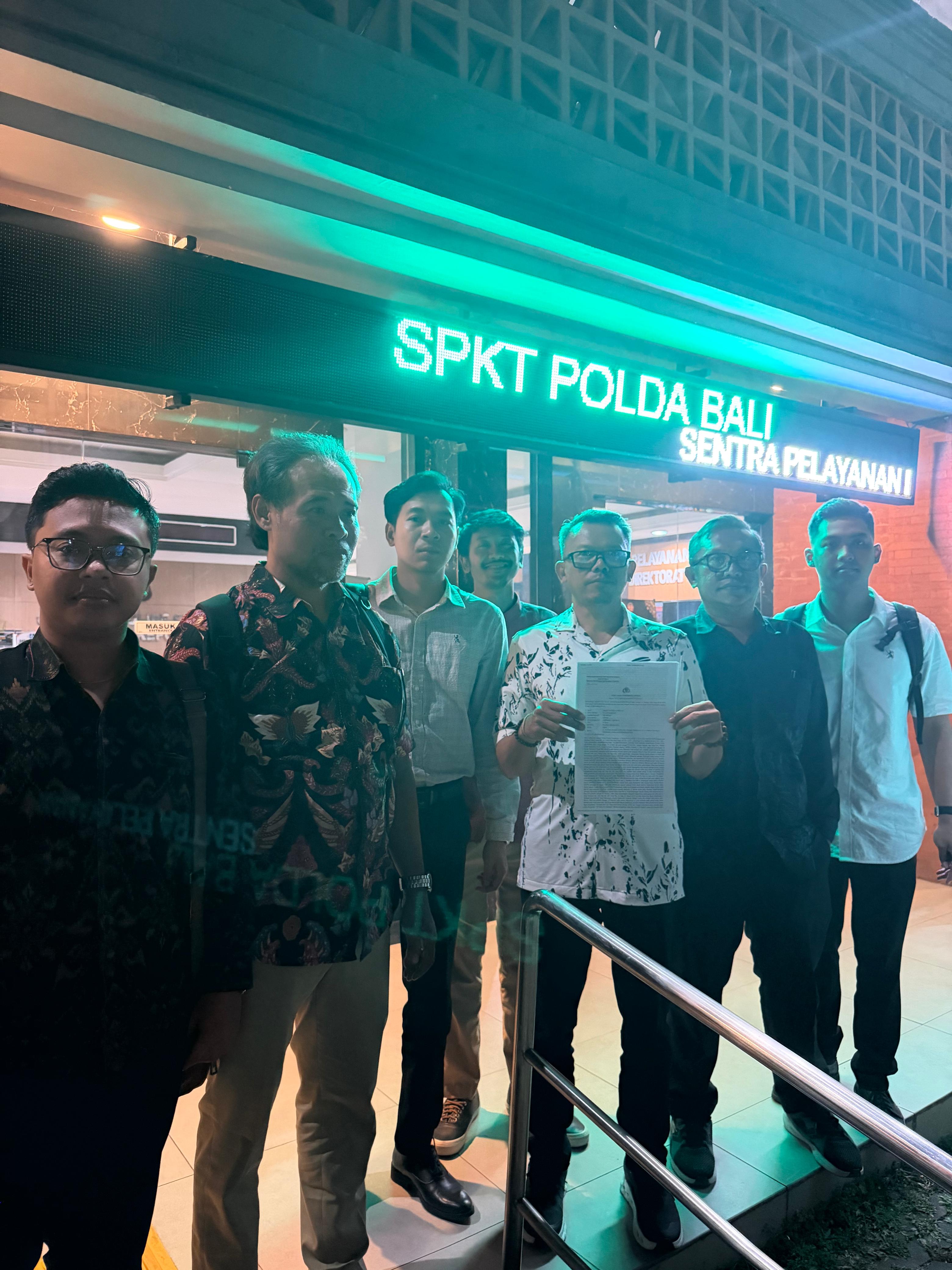
BALI – Legal experts appearing in the pretrial review of former Bali National Land Agency (BPN) regional head I Made Daging have questioned the procedures used to name him a suspect and detain him in a case involving the disputed land of Pura Dalem Balangan.
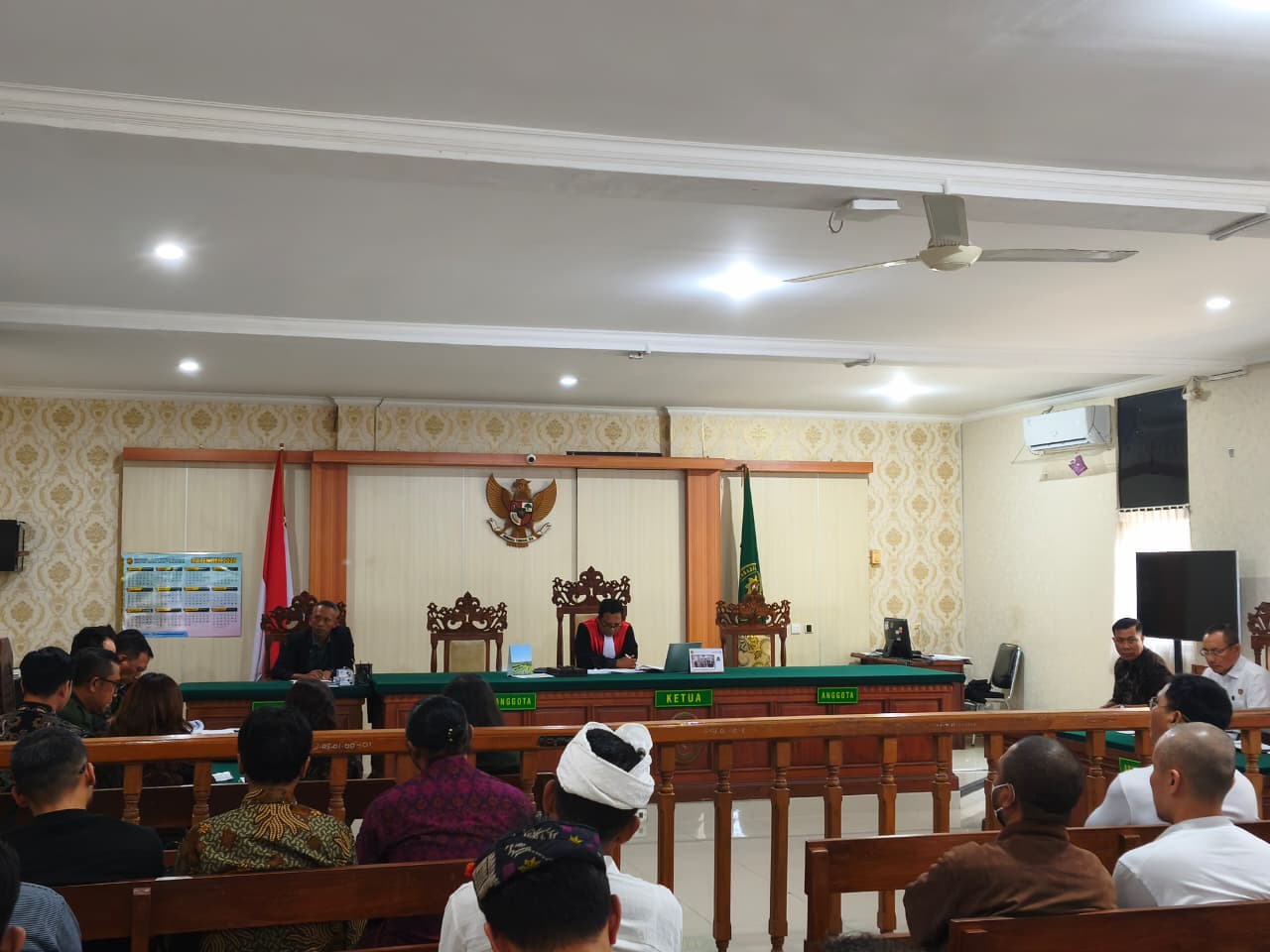
The hearing took place at the Denpasar District Court on Friday, October 9, 2026, with the court hearing the respondent’s rejoinder and expert testimony presented by the applicant’s legal team.
Three experts were presented: criminal law expert Prof. Dr. Suparji Ahmad of Al Azhar University Indonesia, governance expert Dr. Frans Dione, SIP, a postgraduate lecturer at the Institute of Domestic Governance (IPDN) in Jakarta, and linguistic expert Dr. Kadek Wirahyuni, S.Pd., a lecturer at Ganesha University of Education (Undiksha).
The experts’ testimony focused on the legal basis for the suspect designation, the validity of the disputed document, and whether the detention of Made Daging complied with applicable legal requirements.
Criminal Law Expert Questions the Alleged Forgery
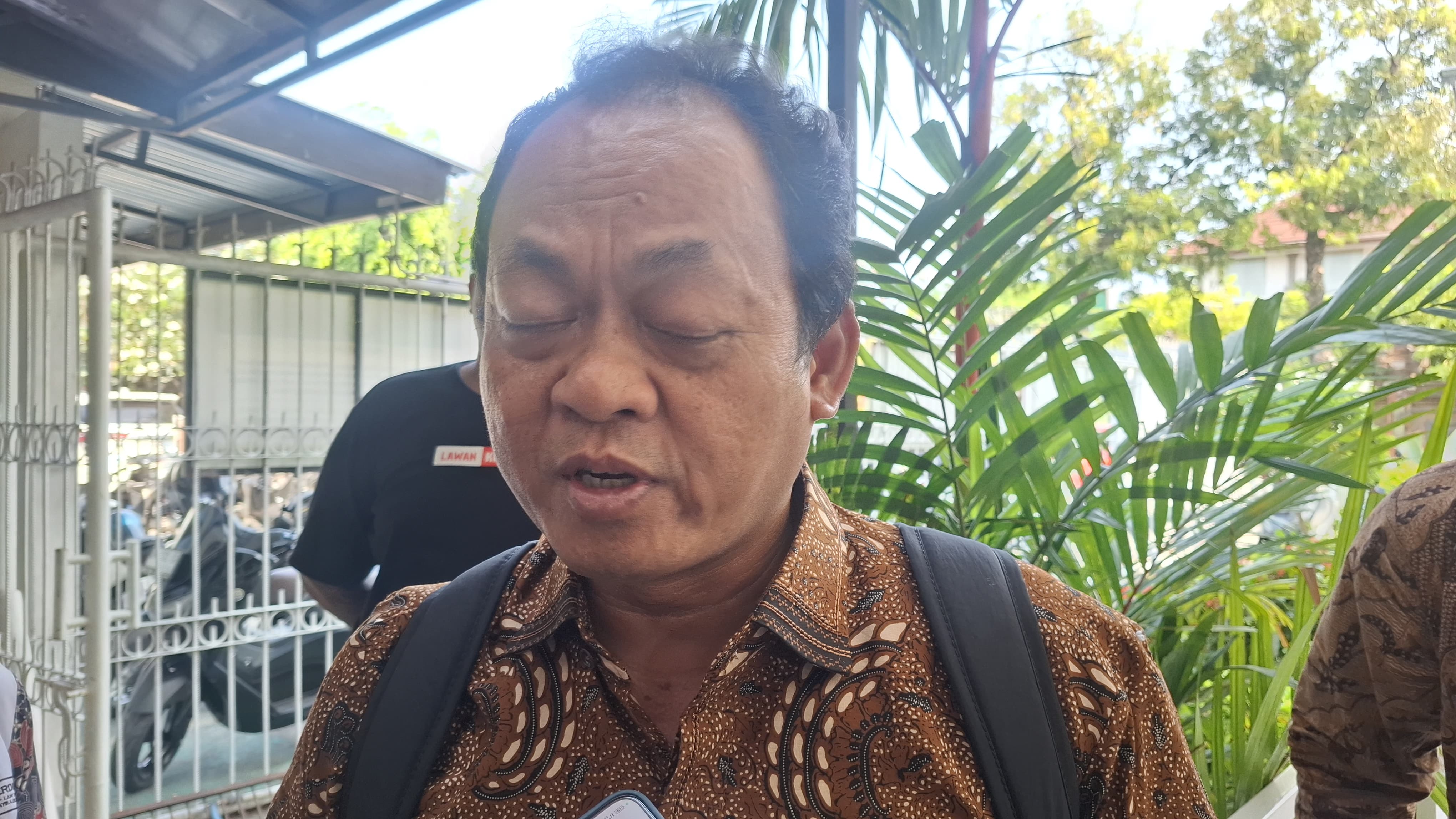
Criminal law expert Prof. Dr. Suparji Ahmad said the pretrial judge should objectively examine the facts presented in court, particularly the procedures used to designate Made Daging as a suspect and justify his detention.
Suparji questioned the substance of the allegation that Made Daging had produced a forged document. He argued that if the document in question was materially authentic, the alleged offense of producing a false document required careful examination of the evidence.
He stressed that the judge should assess the evidence and determine whether investigators had followed the proper legal procedures.
Suparji said a pretrial proceeding serves as a mechanism for reviewing the legality of investigative actions, including suspect designation and detention. If procedural violations or substantive legal deficiencies are established, the judge may take corrective action within the court’s authority.
He also questioned the factual basis for detaining Made Daging, emphasizing that the legal requirements and reasons for detention must be clearly established.
Expert Says Complaints Against Investigators Are Possible
Suparji also addressed the possibility of filing a complaint against investigators from the Bali Regional Police (Polda Bali) if there were grounds to suspect unprofessional conduct or a lack of due diligence in handling the case.
He said such a complaint could be pursued if the reporting party could demonstrate the alleged shortcomings.
“Reporting is potentially possible. The key is to show the lack of professionalism or due diligence,” he said.
According to Suparji, individuals have the right to seek legal remedies to restore their rights and address losses they believe they have suffered. Such efforts should not be obstructed.
However, whether investigators committed procedural violations, and whether the alleged criminal offense has been established, remain matters for legal assessment based on the relevant facts and evidence.
Gede Pasek Suardika Questions the Third Report
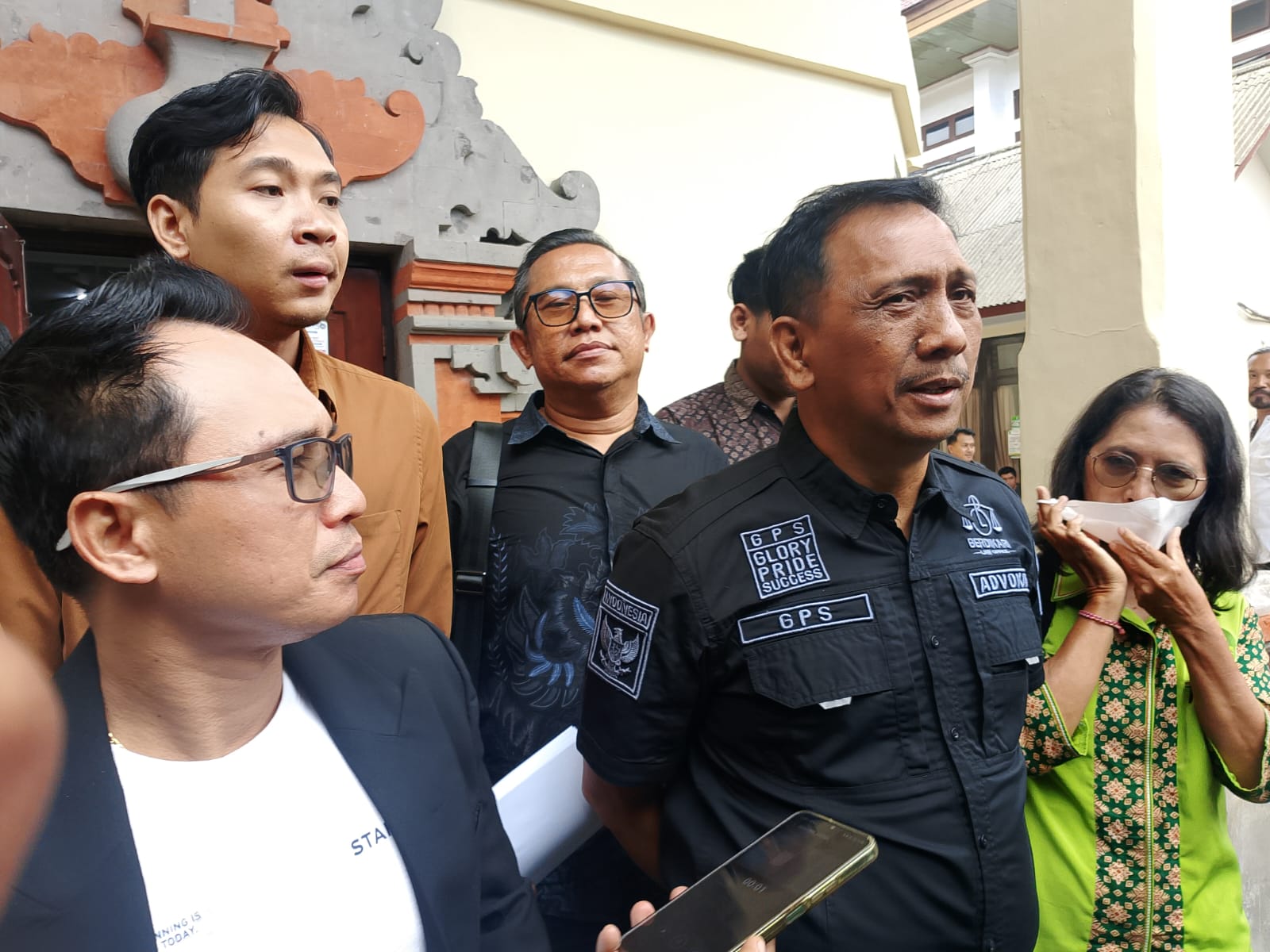
Made Daging’s lawyer, Gede Pasek Suardika, commonly known as GPS, said the expert testimony raised questions about the repeated criminal reports involving the same subject, object, and location.
He argued that the case involving Made Daging was the third report concerning the same underlying matter, following two earlier reports that were discontinued.
“How is it possible that the subject, object, and location are the same, and reports have been filed repeatedly? The two previous reports were discontinued, and this is the third report,” Pasek said.
He maintained that a careful examination of the previous cases and the circumstances surrounding the latest investigation should be central to the judge’s assessment.
Pasek argued that the proceedings should be terminated if the court finds that the suspect designation was procedurally defective. His position represents the applicant’s legal argument and remains subject to the court’s decision.
Lawyer Challenges the Legal Basis for Detention
Pasek also questioned whether the legal requirements for detaining Made Daging had been met.
He argued that detention must be supported by legally sufficient grounds and relevant circumstances, rather than being imposed automatically following a suspect designation.
The lawyer said the conditions cited in his argument—including concerns about the possibility of repeating an offense, destroying evidence, fleeing, or failing to cooperate with investigators—were not satisfied in Made Daging’s case.
“If the requirements for detention are not fulfilled, then the suspect should not be detained,” he said.
The legality of the detention remains an issue for the pretrial judge to assess in accordance with the applicable law and the evidence presented by both parties.
Pretrial Ruling to Be the Next Key Stage
The proceedings will continue with the main agenda of reading the pretrial ruling.
Pasek urged the single judge presiding over the case to examine the legality of Made Daging’s suspect designation and detention, taking into account the earlier proceedings involving the same underlying dispute.
He also referred to a previous case in which a pretrial challenge was rejected, but the criminal investigation was subsequently discontinued.
Pasek said the court should consider the implications of that earlier outcome when assessing the current application.
The ruling is expected to determine the outcome of the pretrial challenge to the investigative measures against Made Daging. The court’s assessment will be crucial in determining whether the challenged procedures can stand under the applicable legal framework.
For now, the arguments presented by the applicant’s legal team and its experts remain subject to judicial review. The court’s decision will establish the outcome of the pretrial application, while the underlying allegations must be assessed through the appropriate legal process.