BALI – Fuel shortages across Bali and parts of East Java have raised questions about the reliability of Pertamina Patra Niaga’s fuel procurement, stock management, and distribution systems. The Center of Energy and Resources Indonesia (CERI) suspects that delayed tanker arrivals may not be the only factor behind the disruption.
CERI Director Yusri Usman has called for a comprehensive investigation into the fuel supply chain, including supplier contracts, fuel stock levels, shipping schedules, and the distribution of fuel to filling stations.
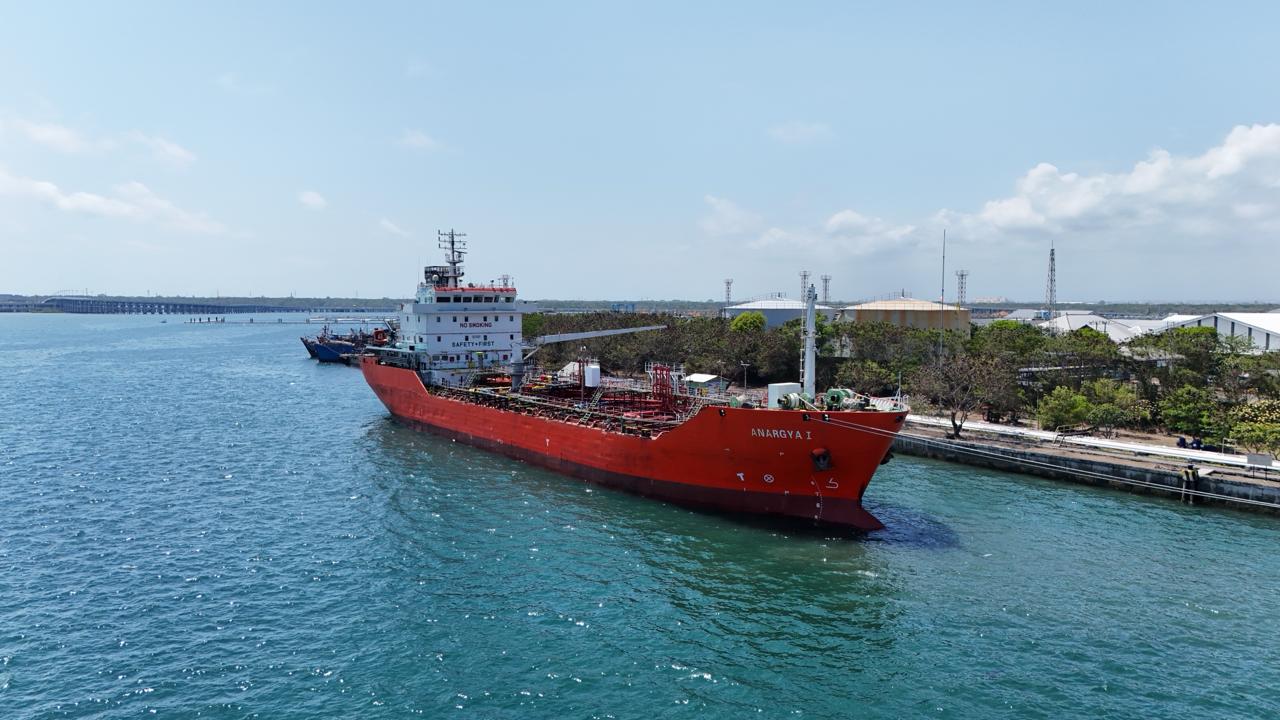
Previously, Pertamina President Director Simon Aloysius Mantiri linked the shortages to a tanker that was unable to dock at a fuel terminal in Bali for approximately 12 hours.
However, Yusri questioned whether a delay of that duration could explain widespread shortages across Bali and parts of East Java, which fall under Pertamina Patra Niaga’s East Java, Bali, and Nusa Tenggara (Jatimbalinus) operational region.
CERI Questions Bali’s Fuel Stock Reserves
Yusri said operational fuel reserves should ideally be maintained at approximately 20 to 25 days of supply. CERI suspects, however, that Bali’s fuel stock resilience may have fallen below seven days before the disruption occurred.
The concerns intensified after Pertamina Patra Niaga announced an additional 57.9 million liters of fuel for Bali between October 14 and 17, 2026.
The additional supply comprises 44.9 million liters of Pertalite and 13 million liters of Pertamax, delivered through the Manggis and Sanggaran fuel terminals.
Ahad Rahedi, Area Manager for Communication, Relations and CSR at Pertamina Patra Niaga Regional Jatimbalinus, said the additional deliveries were intended to accelerate the recovery of fuel stocks at filling stations.
Yusri argued that the additional volume raised questions about the actual stock levels before the shortages began.
“The additional supply of 57.9 million liters raises a fundamental question: how much fuel stock was available before the shortage? Pertamina should disclose daily stock resilience data from both fuel terminals,” he said.
Yusri also pointed to Indonesia’s continued dependence on imported fuel. He cited historical import levels of approximately 500,000 barrels per day, excluding crude oil imports of a similar volume.
In his view, this dependence makes effective procurement planning and adequate fuel reserves essential to preventing distribution disruptions from developing into shortages for the public.
CERI Suspects Possible Supplier Failures
Beyond stock management, CERI suspects that the shortages in Bali and East Java may also be linked to suppliers failing to fulfill their contractual fuel delivery obligations to Pertamina Patra Niaga.
Yusri called for a comprehensive examination of tender documents, supplier contracts, shipping schedules, actual delivery volumes, and fuel receipt reports at the terminals.
“CERI suspects that suppliers may have failed to meet their contractual obligations. Investigators need to establish who the suppliers were, how much fuel they were required to deliver, whether deliveries were delayed or insufficient, and how Pertamina supervised contract implementation,” he said.
He added that the disruptions in Bali and East Java must be examined to determine whether both areas experienced the same supply-chain problems or whether their underlying causes differed.
CERI emphasized that the allegations require further investigation and should be established through a review of the relevant records and operational data.
CERI Calls for Audit of Three Pertamina Patra Niaga Directors
CERI has also called for an examination of three Pertamina Patra Niaga executives in accordance with their respective responsibilities: President Director Mars Ega Legowo Putra, Commercial Director Erwin Suryadi, and Director of Downstream Optimization and Distribution Hari Purnomo.
According to Yusri, the commercial division should explain the fuel procurement tender process and the implementation of supplier contracts. The downstream optimization and distribution division, meanwhile, should clarify stock planning, fuel receipts, and distribution to terminals and filling stations.
“The three directors must be held accountable according to their respective duties and responsibilities. Procurement problems, supplier failures, or weak stock management must not be obscured by explanations about weather conditions or delayed tankers,” Yusri said.
CERI urged the Ministry of Energy and Mineral Resources, the Downstream Oil and Gas Regulatory Agency (BPH Migas), the Daya Anagata Nusantara Investment Management Agency (BPI Danantara), and Pertamina’s supervisory officials to conduct an independent audit of the entire Jatimbalinus fuel supply chain.
The proposed audit should cover the tender and supplier appointment processes, operational stock levels before the shortages, supplier contract compliance, and fuel distribution to filling stations. CERI also called for an assessment of the effectiveness of regional management and Pertamina Patra Niaga’s directors in overseeing the supply chain.
“If negligence, supply failures, or irregularities are proven, those responsible must face appropriate action under the applicable regulations. The public should not have to bear the consequences of poor fuel supply management,” Yusri said.
Long Queues Continue at Bali Fuel Stations
Meanwhile, long queues at fuel stations have continued to affect several areas of Bali, including Denpasar, Badung, Tabanan, and Kintamani in Bangli Regency.
At around 1 a.m. local time on Thursday, October 15, 2026, queues were still reported at the Latu fuel station in Abiansemal, Badung, which operates around the clock.
Some motorists have had to move between filling stations in search of fuel, highlighting the continuing challenges faced by residents during the supply disruption.
“I started queuing for fuel at midnight, and I had already been waiting for an hour. I first went to the Sibang station, but it had closed before midnight. That is why I came here to the Latu station in Abiansemal,” said Nyoman, a Badung resident.
In response, Pertamina Patra Niaga Regional Jatimbalinus said it was continuing to accelerate service recovery through additional fuel supplies, extended filling station operating hours, increased staffing, and the deployment of additional fuel tanker capacity.
Ahad Rahedi said Pertamina was preparing to expand the number of stations operating 24 hours a day. In Denpasar, 60 additional stations were planned to operate around the clock, on top of the 24 stations already providing 24-hour service.
The company was also strengthening operational staffing, coordinating with the IX/Udayana Regional Military Command, preparing reserve tanker drivers, and arranging for some fuel tanker vehicles to be transferred from Banyuwangi to Bali.
Pertamina also said it was seeking to optimize fuel delivery services using motorcycles for two-wheeled vehicle users, subject to operational and safety requirements.