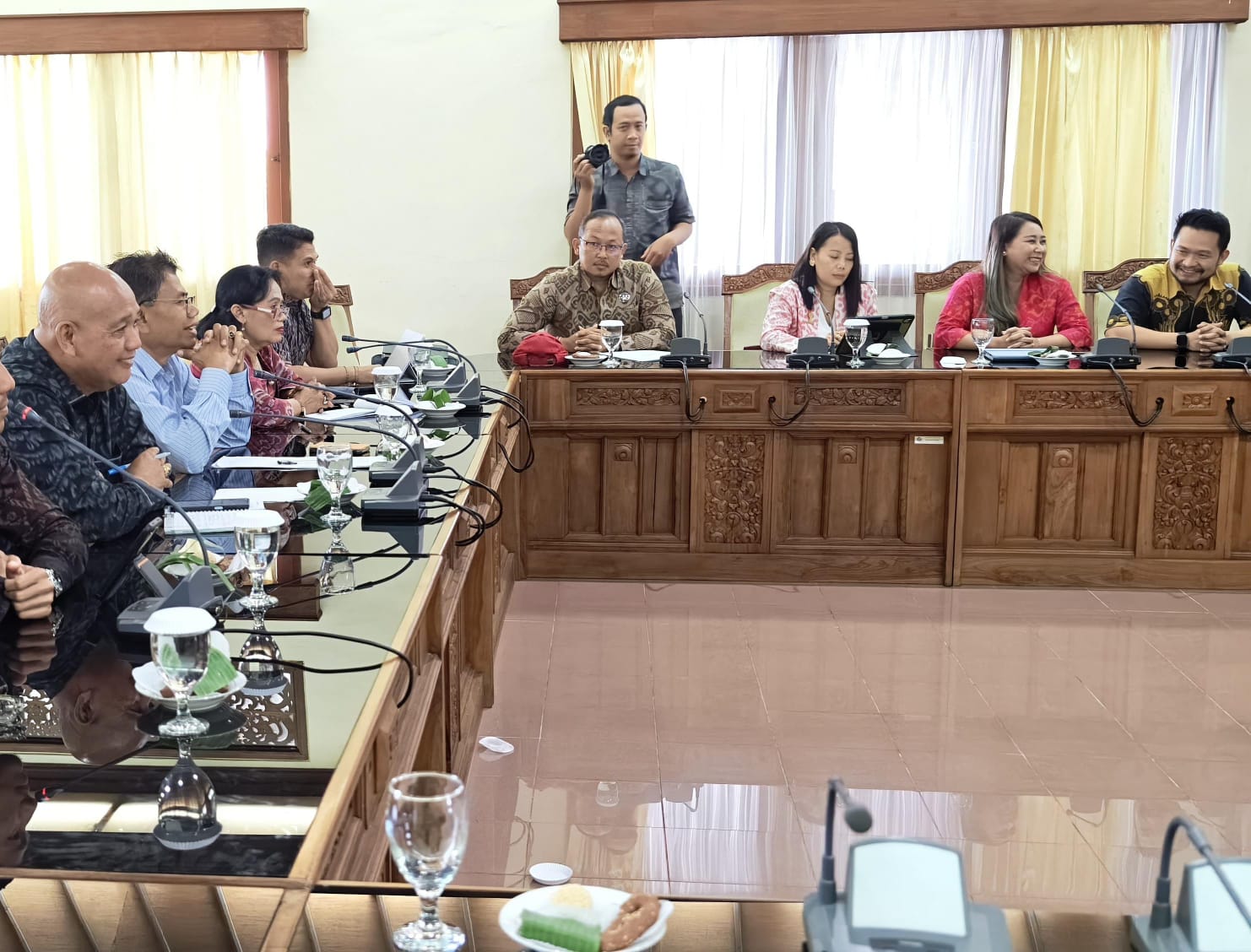
BALI – The Bali Provincial Legislative Council (DPRD Bali) Commission II held a meeting with business associations and financial institutions on Tuesday (September 15, 2026), to discuss the proposed adjustment of Bali’s Provincial Minimum Wage (UMP) for 2027.
The meeting focused on finding a balance between improving workers’ welfare and maintaining the sustainability of businesses across Bali.
The meeting, which ended at around 12:30 p.m. WITA, was attended by representatives of the Bali Chamber of Commerce and Industry (Kadin), the Indonesian Employers Association (Apindo) Bali, the Association of Indonesian Tours and Travel Agencies (ASITA) Bali, and the Indonesian Young Entrepreneurs Association (HIPMI) Bali.
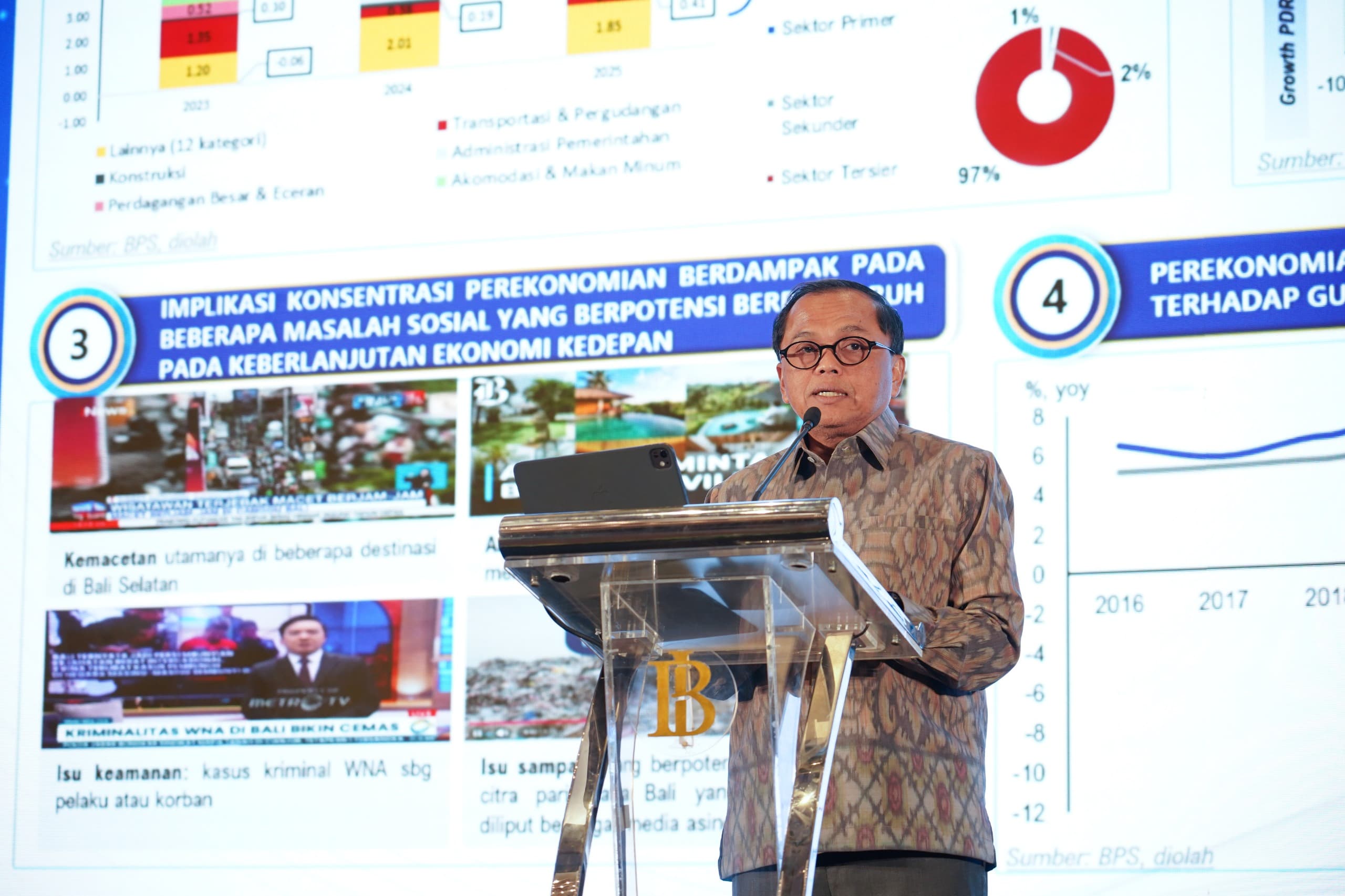
Representatives from Statistics Indonesia (BPS) Bali and Bank Indonesia (BI) Bali were also present to provide an overview of Bali’s current macroeconomic conditions.
Chairman of Commission II DPRD Bali, Agung Bagus Pratiksa Linggih, popularly known as Ajus, said participants generally agreed that workers’ wages should increase.
However, he stressed that the adjustment must be carefully calculated by taking into account purchasing power, inflation and business sustainability. One of the major concerns raised by business representatives was the weakening purchasing power of consumers.
According to the business sector, an excessive increase in the minimum wage could exceed companies’ financial capacity, particularly amid rising operational and living costs.
Bali’s UMP increased by more than 7 percent in 2026. Over the past four years, the average annual increase has been around 6–7 percent, while inflation has remained at approximately 2–3 percent.
In theory, wage growth above inflation should increase workers’ real purchasing power. However, business representatives pointed out that purchasing power remains under pressure because of rising living costs from factors beyond wages.
Another issue discussed during the meeting was the authority of the provincial government in determining the minimum wage.
The Bali Provincial Government does not have full discretion to determine the nominal UMP because the calculation formula is regulated by the central government.
The province’s policy space is largely limited to determining certain variables within the formula, including the so-called alpha index. Ajus warned that setting an unrealistic minimum wage could create unintended consequences for workers and businesses.
He referred to a proposed UMP figure of Rp5.2 million as an example.
“If the UMP rises to Rp5.2 million and employers cannot afford it, the impact will be layoffs. In addition, if businesses are forced to increase the prices of goods and services, the benefit of the wage increase will only be temporary because it will be eroded by rising prices,” Ajus said.
From the tourism sector, Bali ASITA Public Relations representative Kande Putra expressed support for efforts to improve workers’ welfare through a measured minimum wage adjustment.
However, ASITA also urged the Bali Government to ensure fair enforcement of business regulations across the industry.
“ASITA asks the government not only to add burdens to formal businesses that comply with regulations, but also to take firm action against illegal businesses operating without permits, taxes and safety standards,” Kande said.
He stressed the need for a single set of standards and equal supervision for all businesses operating in Bali’s tourism industry.
ASITA also called on the Bali Provincial Government and DPRD Bali to demonstrate concrete enforcement results within the next 100 days.
The discussion is expected to become part of the broader consideration of Bali’s 2027 UMP, with the interests of workers, employers and the regional economy remaining key factors in the wage adjustment process.