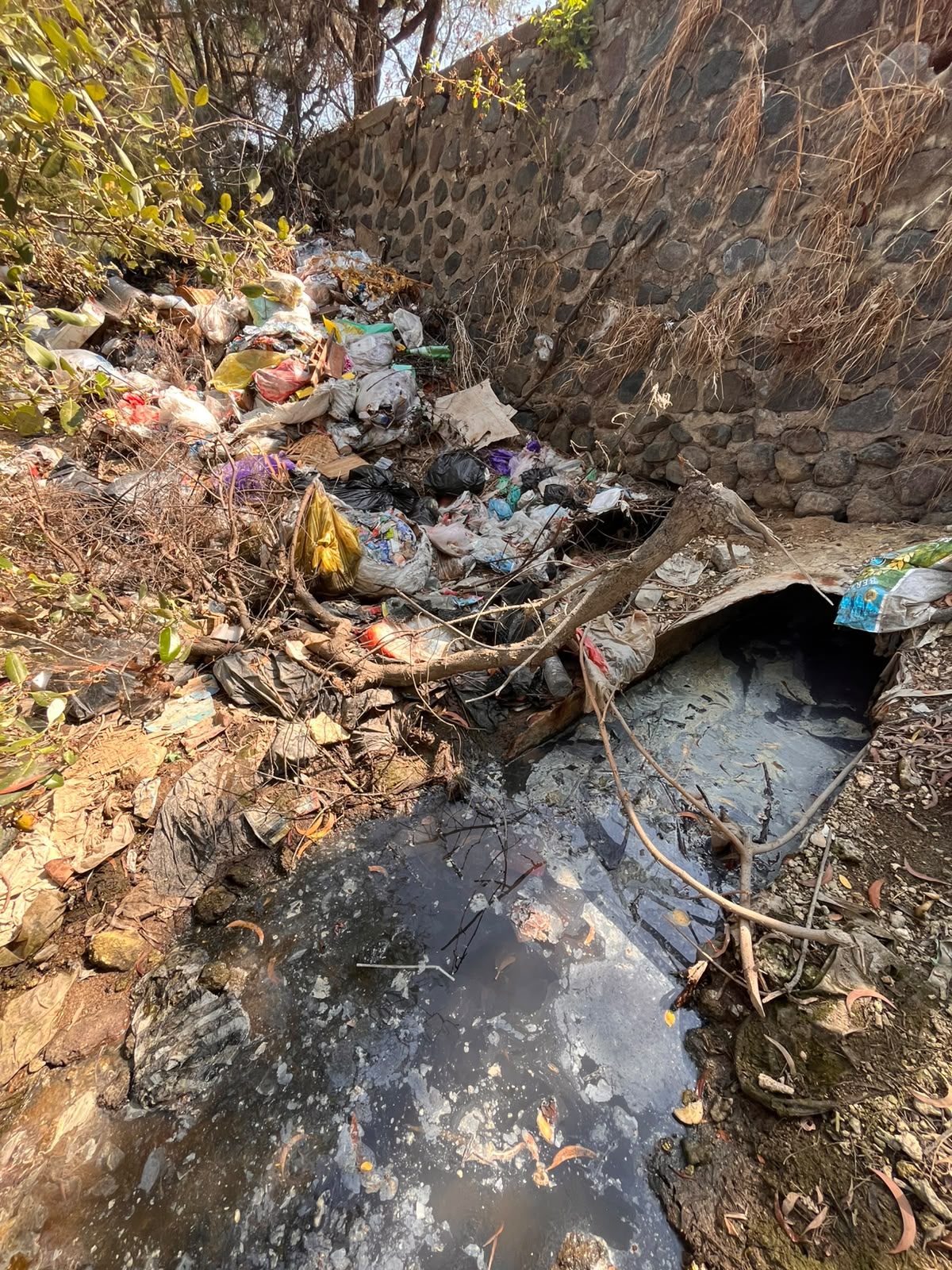
BALI - Can the Denpasar Raya Waste-to-Energy (WtE) project become a solution to Bali’s growing waste problem? The question is increasingly relevant as Denpasar City and Badung Regency generate approximately 1,900 tons of waste every day.
The Denpasar Raya WtE facility is designed to process up to 1,500 tons of waste daily. However, this means approximately 400 tons of waste will still need to be managed through waste reduction and processing at the source.
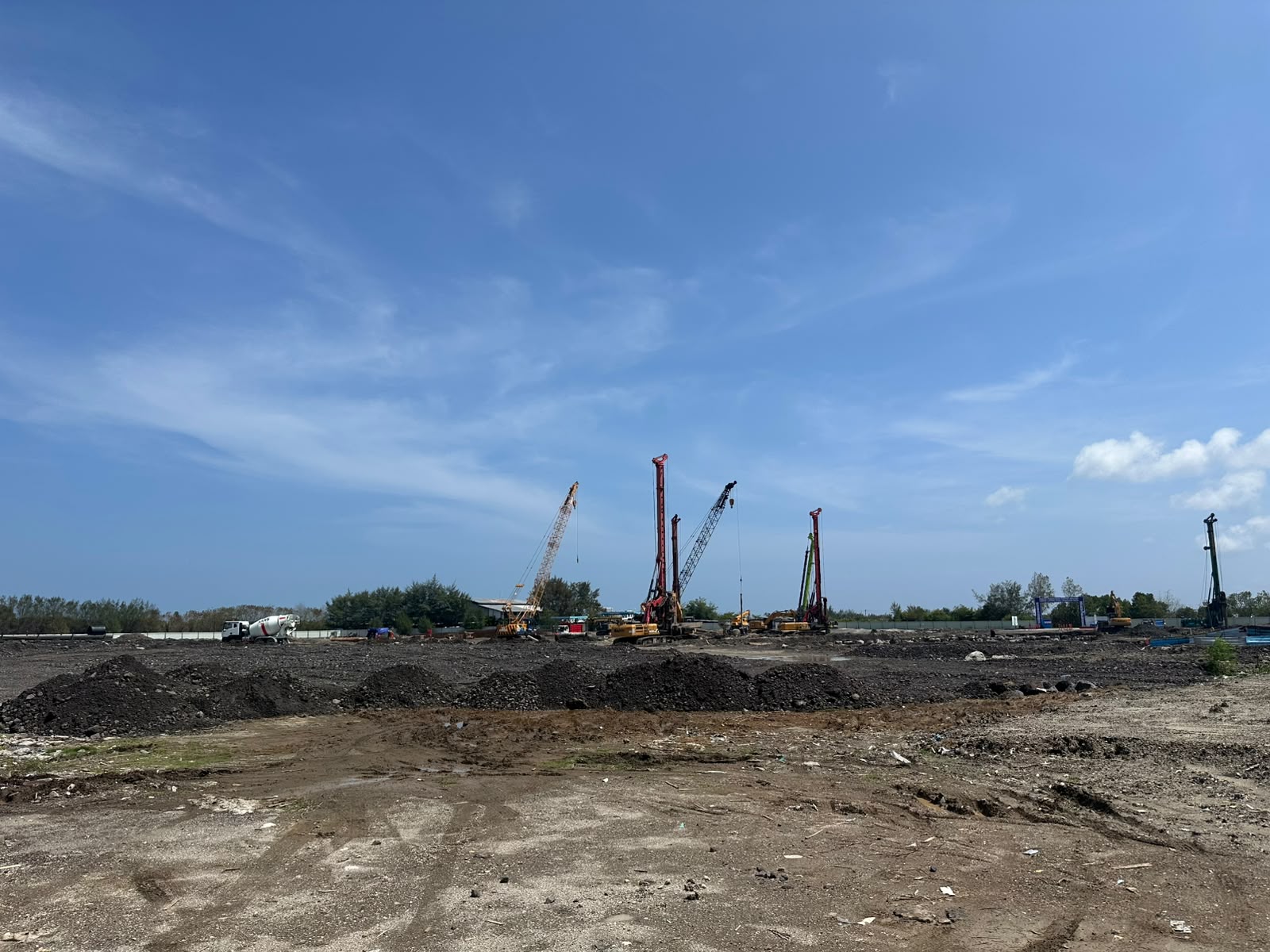
Meanwhile, construction of the facility had reached only 24 percent completion as of early November 2026. The project is targeted for completion in 2027, with operations expected to begin in early 2028.
The latest progress was revealed during a working visit by Commission III of the Bali Regional Legislative Council (DPRD Bali), together with the Bali Forestry and Environment Agency, to the construction site on Monday, November 2, 2026.
The visit was led by Commission III Chairman I Nyoman Suyasa, accompanied by council members Ni Putu Yuli Artinu, Ni Kadek Darmini, and I Made Rai Warsa. Bali Environment Agency Head Made Dwi Arbani also attended.
Suyasa said the visit aimed to ensure that construction was proceeding according to schedule and meeting the required quality standards.
Based on presentations from the Environment Agency and the project contractor, construction progress had reached 24 percent. He considered this a relatively positive achievement, given that physical construction had only been underway for approximately four months since the groundbreaking ceremony on July 8, 2026.
"Only 24 percent so far. That is quite fast. The groundbreaking was held on July 8, 2026, and in just four months, progress has reached 24 percent," Suyasa said.
He explained that the completed work included land preparation and pile installation.
Rainy Weather Slows Down Construction Work
Despite the progress, Suyasa acknowledged that weather conditions had begun to affect construction activities.
Rainfall over the past few days had slightly slowed work, particularly drilling activities required for pile installation.
According to Suyasa, drilling work requires dry and sunny weather to ensure optimal working conditions.
Nevertheless, he urged the contractor to maintain construction speed without compromising quality so the project could be completed on schedule.
He expressed hope that the facility would be completed in 2027 and begin operating in early 2028.
Suyasa also described the project as a demonstration of the central government's commitment under President Prabowo Subianto to addressing Bali's waste management challenges.
A 1,500-Ton Capacity, but 400 Tons Still Need to Be Managed
Meanwhile, Bali Environment Agency Head Made Dwi Arbani explained that the Denpasar Raya WtE facility would have a processing capacity of up to 1,500 tons of waste per day.
The facility is expected to process most of the waste generated by Denpasar City and Badung Regency.
According to the figures presented, the two regions generate an average of approximately 1,900 tons of waste daily.
This means that around 400 tons of waste per day will still need to be managed through waste reduction and processing at the source.
"The excess waste will be managed at the source," Arbani said.
He emphasized that waste management at the source must continue even after the WtE facility becomes operational.
Households and businesses are expected to maintain waste sorting and processing practices from the outset to reduce the burden on the facility.
Can the WtE Facility Solve Bali's Waste Problem?
With a planned processing capacity of 1,500 tons per day, the Denpasar Raya WtE project is expected to become an important part of efforts to reduce the waste burden in Denpasar and Badung.
However, its planned capacity also highlights that a waste-to-energy facility alone cannot solve the region's entire waste management problem.
Waste sorting at the household level, waste reduction at the source, and active participation from businesses will remain essential to establishing a comprehensive waste management system.
For now, the public is waiting for the Denpasar Raya WtE project to move forward, with construction still at 24 percent.
The challenge is not only to complete the project on schedule but also to ensure that the facility can operate effectively and achieve its planned processing capacity.
Ultimately, solving Bali's waste problem requires more than building a processing facility. It demands consistent waste management efforts from the source to the final processing stage.