BALI – Preserving Balinese traditions amid globalization requires more than cultural performances. It also requires space for artists, young people, and local communities to learn, create, and pass cultural knowledge to the next generation.
That effort is being highlighted through a two-day cultural event in Ubud, Gianyar, on September 19–20, 2026, bringing together around 895 artists from various fields.
The event carries the theme “A Living Tradition,” reflecting the idea that Balinese traditions should remain part of everyday life rather than simply become cultural heritage preserved in the past.
A series of activities are being held, including traditional painting workshops, mekendang training, spontaneous painting, cultural performances, and a Baleganjur competition involving groups from across Bali.
The first day featured workshops on the traditional Keliki Kawan painting style and mekendang, followed by the opening ceremony and the Baleganjur Ngarap competition.
Four groups participated on the first day: Putra Kencana from Tengkulak Kelod, Nata Suara from Kapal, Badung, Sekaa Gong Puspa Sari from Abiansemal, Badung, and Bina Yowana Santhi from Central Ubud.
The second day features spontaneous painting, another Keliki Kawan painting workshop, a workshop with the Baturulangun Batuan Community, and the Dolanan program by Sanggar ARMA Kumara Sari.
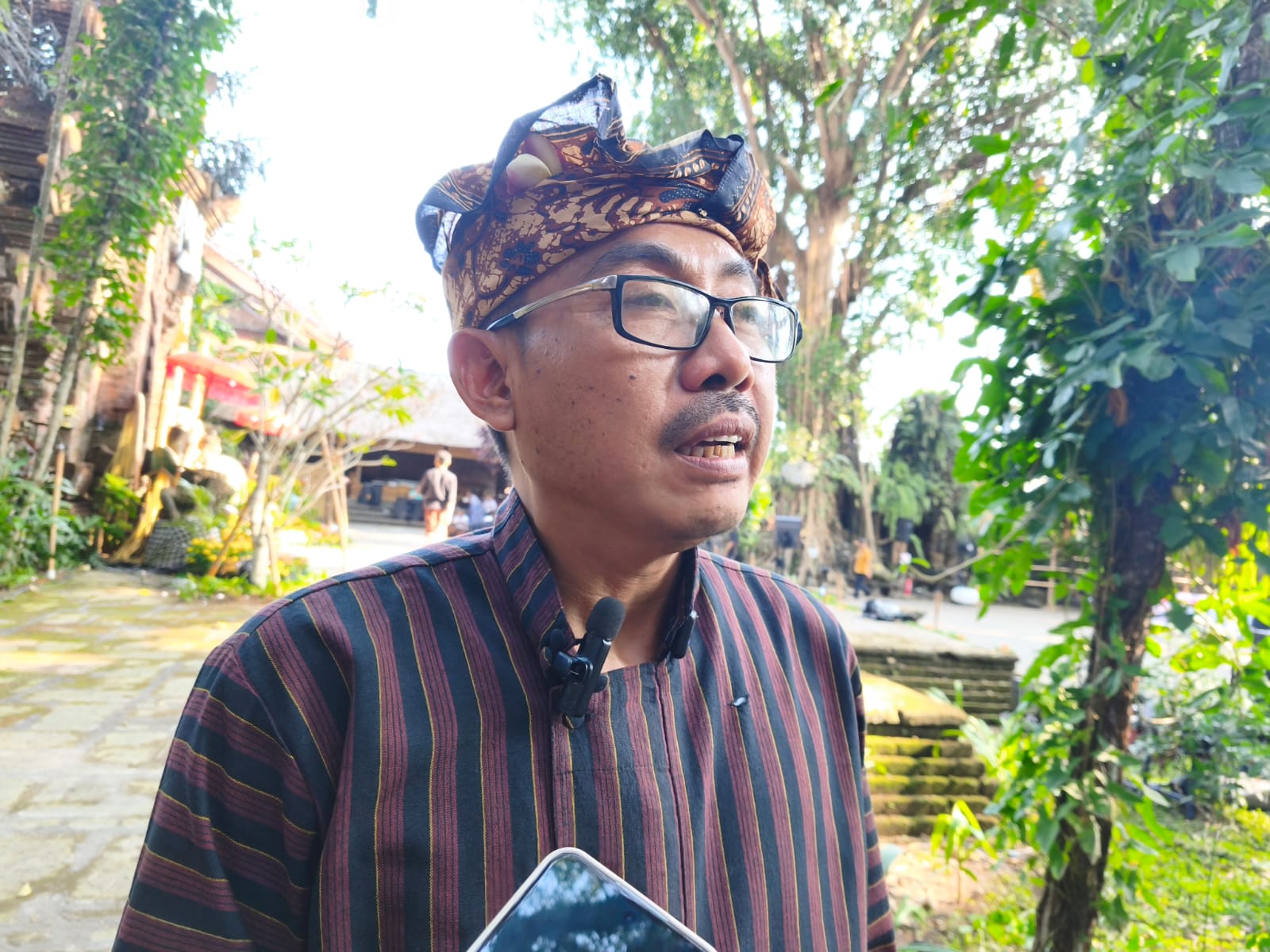
The Baleganjur competition also continues with five participating groups from Tampaksiring, Ubud, Peliatan, South Kuta and Taman Kaja. The program will conclude with a Bondres Rujak Sentul performance and the announcement of the Baleganjur competition winners. Gianyar Culture Agency Head I Wayan Adi Perbawa said cultural events should not stop at performances or celebrations. They should also create a process for preserving, developing and passing on local cultural values.
He said the Gianyar Regency Government is working with the organizers to ensure that the event contributes to cultural preservation and does not become merely a ceremonial occasion.
One of the efforts involves exploring the history of Legong, which is described as having originated in Gianyar. Discussions and a small focus group are being conducted as part of an effort to reconstruct its history, with the process expected to continue toward a possible presentation in 2027.
Wayan Adi Perbawa also emphasized the importance of identifying young artistic talent in Gianyar.
Workshops are being used to introduce traditional arts to children, students, young artists and the wider public. Around 80 people took part in the mekendang workshop, while the spontaneous painting activity involved around 300 painters from junior high school, senior high school and the general public.
The resulting paintings will be displayed for one week. The Baleganjur competition is also designed to reconnect the art form with its traditional context. Wayan Adi Perbawa explained that the competition does not simply focus on musical performance. It seeks to reflect the traditional practice of Baleganjur being performed while moving as part of Balinese religious and cultural ceremonies.
This approach is intended to give younger generations a better understanding of the cultural context behind the art form. The Gianyar Culture Agency is also seeking to identify and document artistic potential across the regency.
The effort covers areas including Payangan, Tegallalang, Tampaksiring, Ubud, Blahbatuh, Sukawati and Gianyar, with potential in visual arts, crafts, culinary traditions, literature, traditional music and dance. According to Wayan Adi Perbawa, these cultural assets need to be documented, recorded and studied so that their history and connection to their respective communities can be maintained.
He said cultural festivals can become a starting point for finding young artists and giving them opportunities to develop their work. The broader goal is to ensure that the work and legacy of previous generations of Balinese artists remain connected to younger generations.
“Through these festivals, this is where we are present to help the younger generation remember the legacy and creative process of previous artists,” Wayan Adi Perbawa said.
The event also provides space for local MSMEs through stalls, creating opportunities for local businesses to participate in the cultural activities.