Bandung – Indonesia’s Directorate General of Immigration is strengthening digital surveillance of foreign nationals and refugee management through integrated immigration monitoring systems, including the Foreigner Reporting Application (APOA), Subject of Interest (SOI), and the development of the APGAKUM Refugee Law Enforcement Application.
The initiative aims to improve data accuracy, strengthen early detection, and accelerate responses to immigration violations across Indonesia.
The measures were discussed during the Immigration Supervision and Enforcement Coordination Meeting (Rakor Wasdakim), held in Bandung from October 13 to 16, 2026.
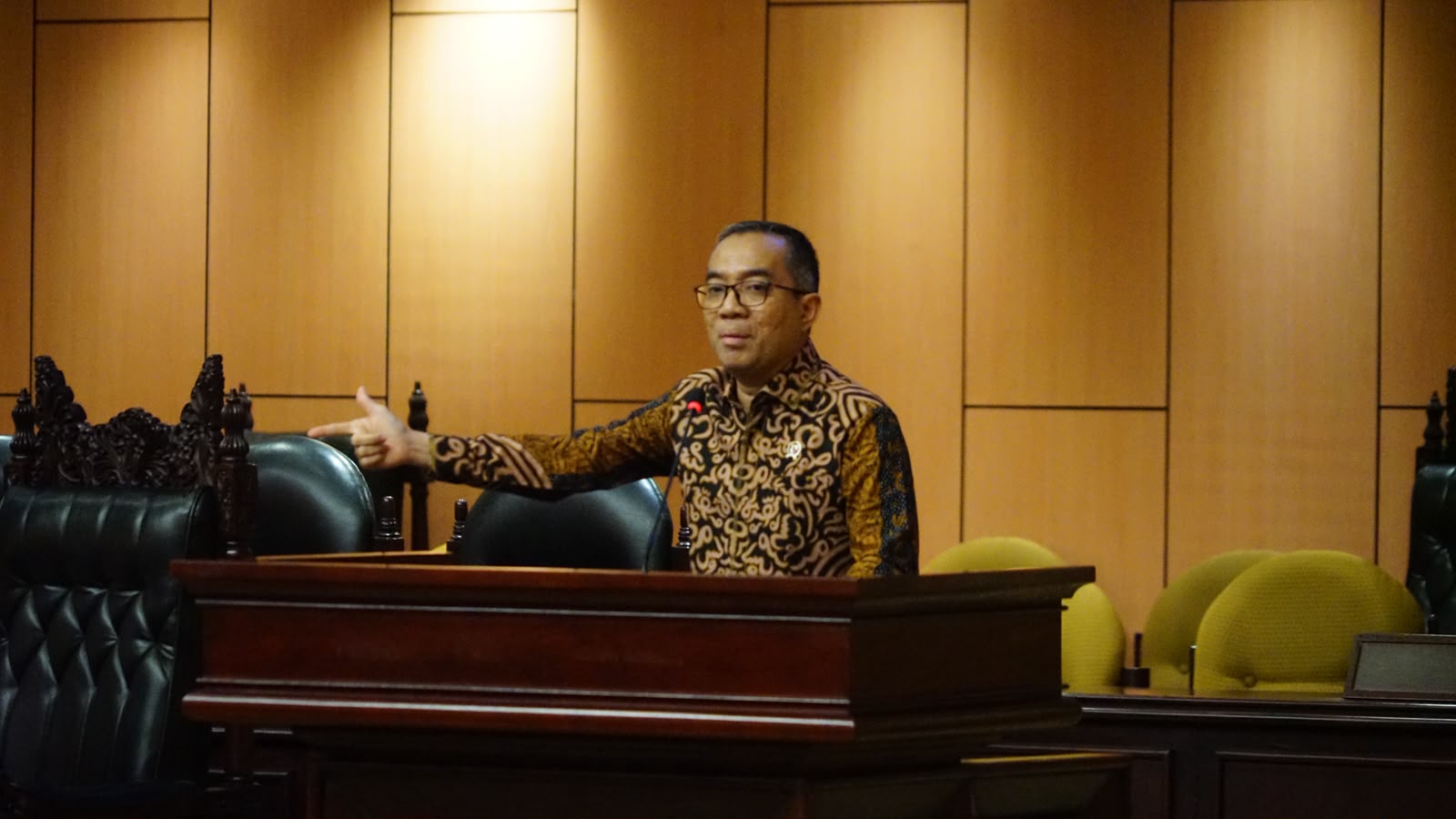
Director General of Immigration Hendarsam Marantoko emphasized that effective digital surveillance depends on accurate, up-to-date data, integrated technology, and the professionalism and integrity of immigration officers.
APOA and SOI Strengthen Foreign National Monitoring
The Foreigner Reporting Application (APOA) allows accommodation providers to report the presence of foreign nationals staying at their establishments.
Meanwhile, the Subject of Interest (SOI) system helps immigration authorities identify individuals who require special attention during immigration checks and monitoring.
Integrated with the Immigration Management Information System (SIMKIM), SOI data can automatically appear in immigration services, including inspections at Immigration Checkpoints (TPI).
These systems support monitoring of foreign nationals suspected of violating immigration regulations, as well as individuals listed as wanted persons, including international fugitives.
The integration of digital systems is expected to improve the accuracy of monitoring and enable immigration officers to respond more quickly to information indicating potential violations.
Indonesia Expands Digital Refugee Monitoring
In addition to monitoring foreign nationals, the Directorate General of Immigration is developing the APGAKUM Refugee Application to improve data collection and reporting for refugees arriving from abroad.
The application includes identity registration, document verification, photographic records, and geographical monitoring through geotagging technology.
The system enables immigration authorities to independently verify refugee information while continuing to use initial data provided by the United Nations High Commissioner for Refugees (UNHCR) and the International Organization for Migration (IOM).
Following a pilot program in the operational area of the Semarang Immigration Detention Center, the APGAKUM Refugee application has begun simultaneous implementation across Indonesia.
The initiative is intended to improve refugee data management and support more structured monitoring and handling procedures.
Immigration Records 17,597 Administrative Actions Through September 2026
Between January and September 2026, Indonesia’s Directorate General of Immigration recorded 17,597 Immigration Administrative Actions (TAK) as part of its enforcement and foreign national monitoring activities.
The actions consisted of:
5,310 residence permit cancellations
5,310 deportations
3,950 proposed entry bans
3,022 detentions
5 prohibitions on remaining in specific locations
The figures represent administrative enforcement measures recorded during the first nine months of 2026.
These actions form part of Indonesia’s efforts to enforce immigration regulations and strengthen oversight of foreign nationals staying in or entering the country.
89 Suspects Recorded in Immigration Criminal Cases
During the same period, immigration authorities recorded 30 Notices of Commencement of Investigation (SPDP) involving immigration-related criminal offenses, with a total of 89 suspects.
Of these, 62 suspects remained under investigation, 20 cases had progressed to the P21 stage or trial, and seven suspects had received legally binding court decisions.
By nationality, Malaysian citizens accounted for the largest number of suspects, with 34 people. They were followed by citizens of the People's Republic of China (20), Pakistan (10), Bangladesh (9), and the Philippines (5).
The figures are being used to support evaluations of immigration law enforcement and strengthen monitoring of potential violations involving foreign nationals.
Digital Technology Must Be Backed by Officer Integrity
Hendarsam stressed that technological improvements must go hand in hand with professionalism and integrity among immigration officers.
Digitalization is intended not only to accelerate monitoring but also to ensure that enforcement decisions are based on reliable, integrated, and accountable information.
“Through the optimization of APOA, SOI, and APGAKUM Refugee, Immigration is working to strengthen a data-driven, integrated, and accountable immigration supervision system,” Hendarsam said.
He added that strengthening professional standards and officer integrity is essential to making immigration supervision and enforcement more effective in maintaining security and public order throughout Indonesia.
The initiative reflects the Directorate General of Immigration’s commitment to ‘Immigration for the People,’ combining firm enforcement of regulations with a humane approach.