
JAKARTA — Indonesia needs to strengthen its human resources, science, technology, research and innovation if it wants to break free from the middle income trap.
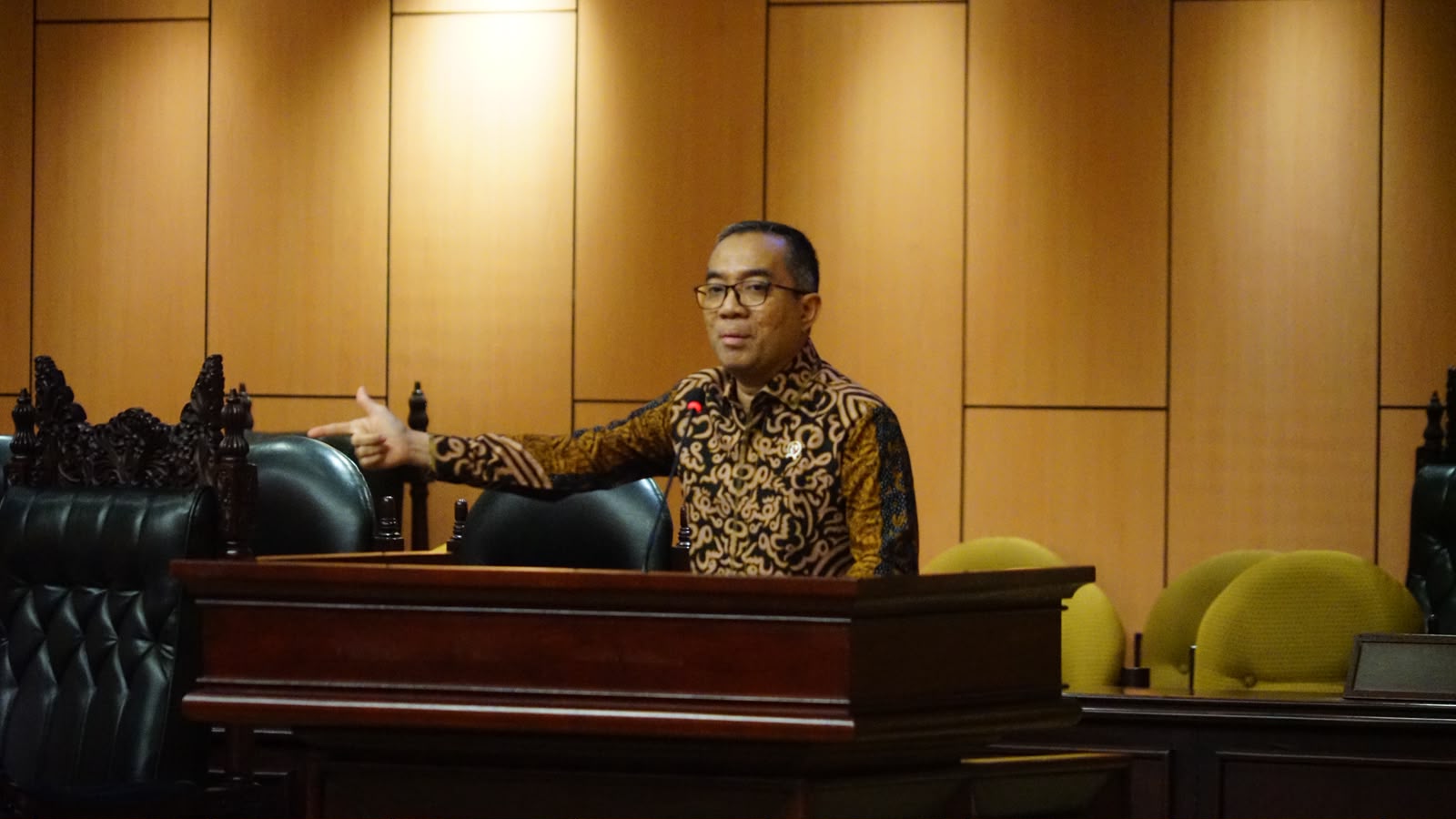
Minister of Higher Education, Science, and Technology Prof. Brian Yuliarto made the statement while speaking at the National Symposium of the National Presidium of the Himpunan Mahasiswa Islam Alumni Corps (MN KAHMI) at the DPR/MPR RI Building in Senayan, Jakarta, on Thursday (Sept. 10, 2026).
The symposium, themed “KAHMI for National Sovereignty,” was part of the 60th anniversary of KAHMI.
In his presentation, Brian said Indonesia needs to raise its GDP per capita to around US$15,000 to move up to a higher economic level and escape the middle income trap.
Indonesia’s current GDP per capita is around US$5,000, compared with about US$12,000 in Malaysia, US$14,000 in Japan and US$85,000 in Singapore.
“Indonesia must be brave enough to set a target of US$15,000 in GDP per capita. We have to get out of the middle income trap,” Brian said.
He stressed that the target should not be seen simply as an economic figure. It needs to be supported by higher productivity, better-quality jobs, rising incomes, stronger technological capabilities and improved public welfare.
Indonesia, he said, should not remain merely a market for products and technology from other countries. The country needs to produce its own technology and high-value-added works.
Brian also encouraged KAHMI to promote what he described as an “beyond nationalism” mindset.
For him, being proud of the nation is important, but it is not enough. Indonesians also need to create works and innovations that can compete and have an impact globally.
“KAHMI must be able to promote an Indonesian society that goes beyond nationalism,” he said.
The wide network of HMI alumni working across different sectors, he added, is a strategic asset that needs to be brought together.
KAHMI’s network and knowledge in science and technology could become an enabler for major works and innovations created by Indonesians.
“The mastery of KAHMI’s science and technology network can become an enabler for the birth of great works,” Brian said.
He believes national sovereignty is also closely linked to the ability of Indonesians to create works that can compete internationally.
“Sovereignty can be achieved through the works of Indonesians who can conquer the world,” he said.
For that reason, KAHMI is encouraged to make better use of its intellectual and professional networks to build cooperation in science and technology, innovation and entrepreneurship.
The goal is for Indonesia to move beyond being merely a user of technology and become a creator of technology and world-class works.
Brian also pointed to the long-standing contributions of HMI alumni across various sectors as an important asset in strengthening that effort.
Meanwhile, MN KAHMI Presidium Coordinator Romo Muhammad Syafii, who initiated the National Symposium, said the ideas and recommendations developed during the forum would be submitted to President Prabowo Subianto.
“The national and religious ideas discussed at this MN KAHMI National Symposium will be submitted to President Prabowo Subianto as KAHMI’s contribution,” Romo said.
He said KAHMI does not want the symposium to end as another discussion forum. The organization wants it to produce concrete and strategic ideas that can contribute to the people, the nation and the state.
The 60th anniversary of KAHMI is therefore being used as a momentum to consolidate the ideas and expertise of HMI alumni.
The broader goal is to strengthen national independence,
accelerate the development of science and technology, improve the quality of human resources and help build an Indonesia that is more advanced, sovereign and capable of producing works that can compete on the global stage.


