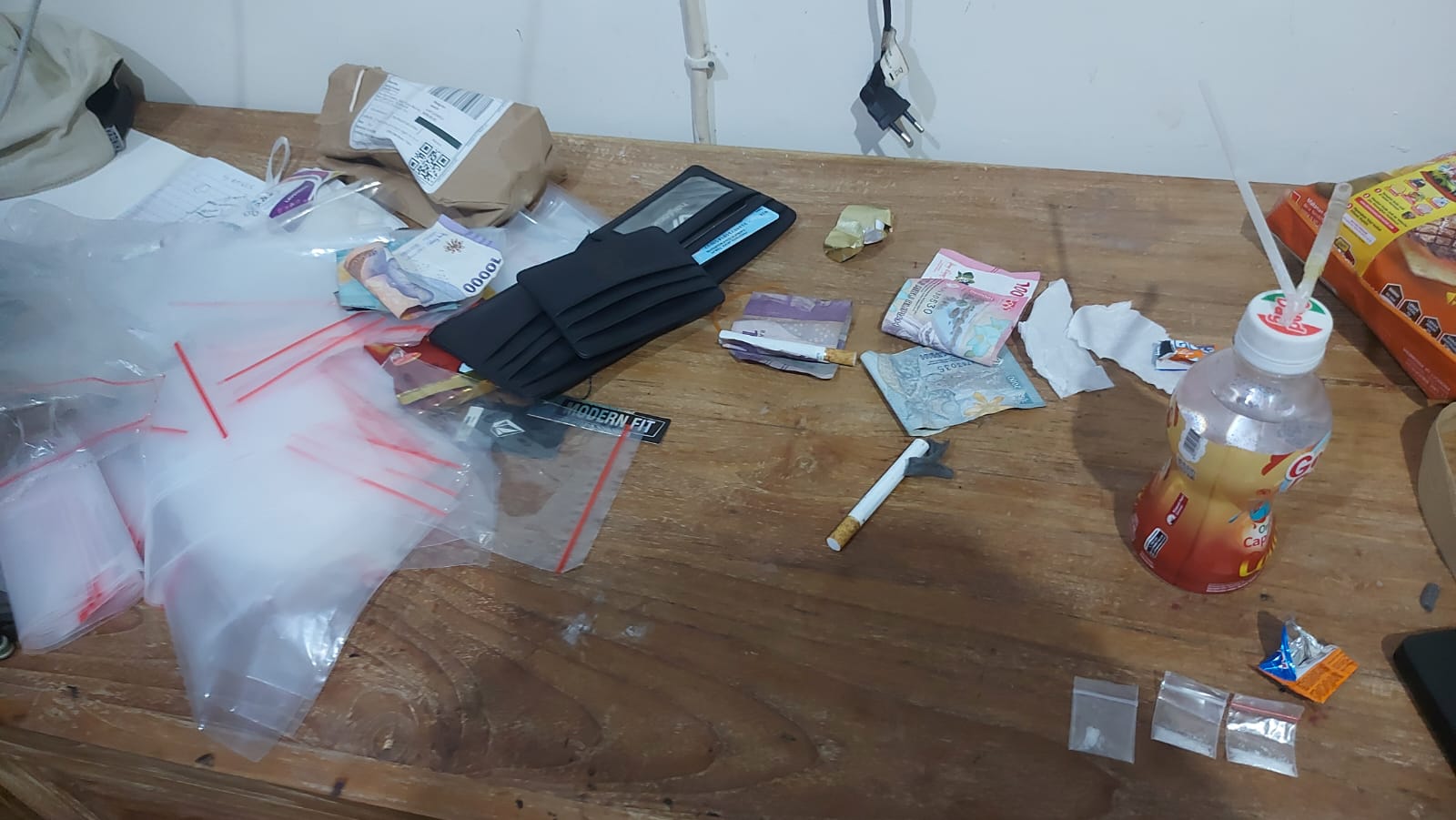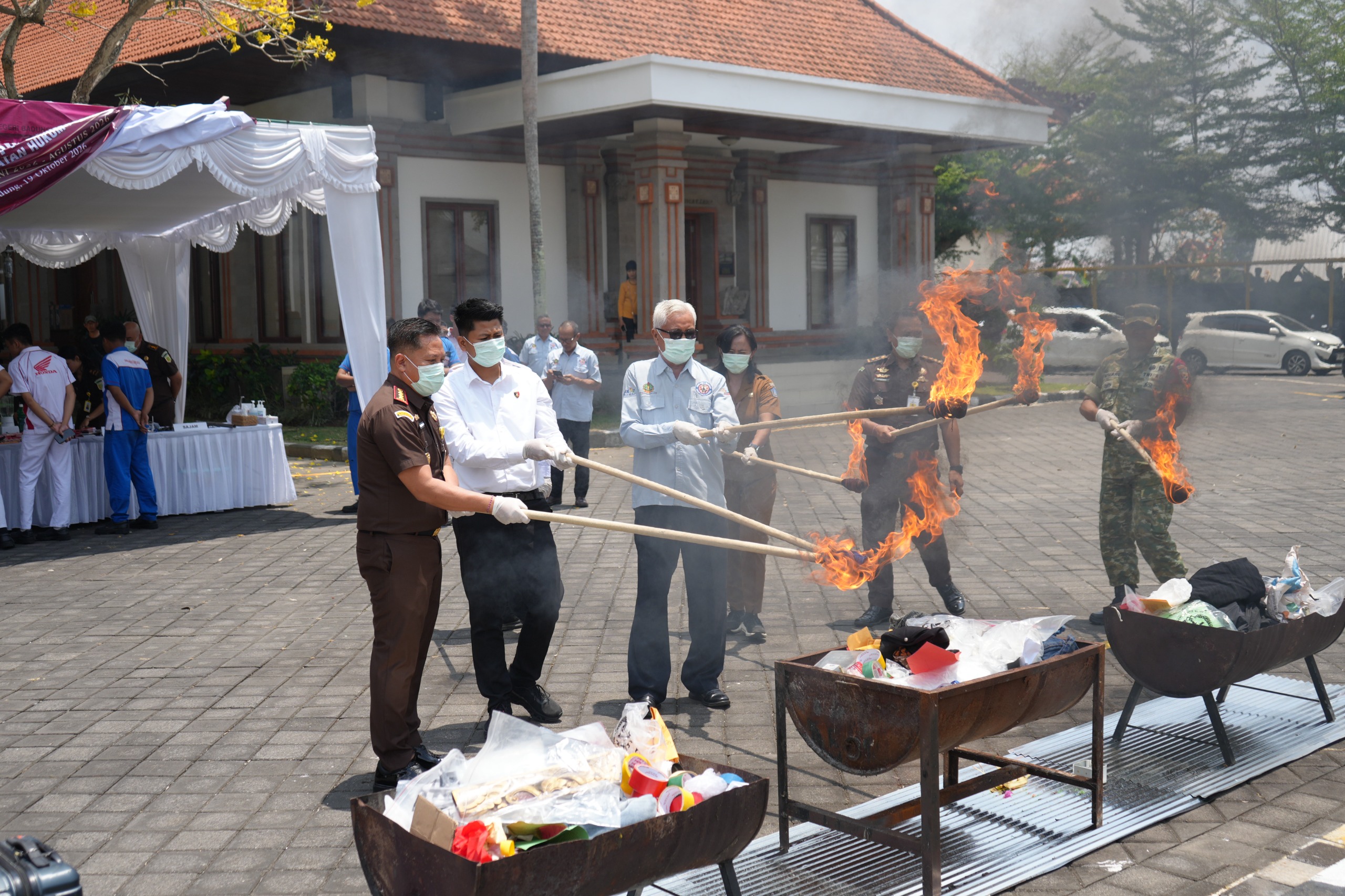
BALI – The circulation of illegal drugs in Bali has reached a worrying level, with police reportedly uncovering 116 drug-related cases in just 16 days in June 2026, according to Indonesian House of Representatives Commission III member I Nyoman Parta.
Parta raised the alarm during the launch of three anti-drug songs he initiated in Gianyar, Bali, on Saturday, October 24, 2026. The event was attended by National Narcotics Agency (BNN) Secretary-General Inspector General of Police Asep Saepudin.
According to Parta, the number of cases uncovered by police at the provincial and regency or municipal levels within such a short period highlights the seriousness of the drug problem in Bali, one of Indonesia’s major tourism destinations.
He also questioned how many drug-related cases remain undetected.
“Imagine how many cases have not yet been uncovered,” Parta said, emphasizing the need for stronger prevention efforts alongside law enforcement.
Parta also pointed to the number of inmates in correctional facilities across Bali, which he said had reached 3,301 people, including children held in juvenile correctional facilities.
He stressed that combating illegal drugs cannot be left solely to the police and other security agencies. Communities, educational institutions, government bodies and other stakeholders must also take an active role in preventing drug abuse.
Music Campaign Targets Bali’s Younger Generation
Parta believes music can be an effective tool for communicating the dangers of drugs, particularly to young people.
The launch of the three anti-drug songs is intended to support a broader public awareness campaign and encourage greater community participation in preventing drug abuse.
He expressed appreciation for the musicians and creative teams involved in composing and arranging the songs and producing their music videos.
The songs will be promoted through social media, particularly Instagram Reels and other short-video formats, to reach a wider audience.
Parta also hopes the songs can be used as educational material in schools throughout Bali, ensuring that anti-drug messages extend beyond ceremonial events and become part of everyday awareness among students.
“We cannot leave this problem solely to the security forces. Communities must also help protect society from the destructive impact of drugs,” he said.
BNN Reports 4.15 Million Indonesians Exposed to Drugs
Meanwhile, BNN Secretary-General Inspector General Asep Saepudin said agency data indicated that approximately 2.1% of Indonesia’s population, or around 4.15 million people, had been exposed to drugs.
Asep warned that the recorded figures might not reflect the full scale of the problem, comparing drug abuse to an iceberg, in which the visible portion represents only a fraction of the underlying situation.
He also expressed hope that Bali would eventually establish its own rehabilitation facility to support people affected by drug abuse.
“Hopefully, Bali will have its own rehabilitation centre in the future,” Asep said.
A dedicated rehabilitation facility would strengthen efforts to help people recover from substance abuse, complementing law enforcement and prevention programmes.
Bali Police Pledge to Combat Drug Trafficking
Bali Police Chief Inspector General Pasma Royce also expressed support for the anti-drug movement, reaffirming the police force’s commitment to combating illegal drug trafficking across the island.
Parta called on young people and the wider community to help spread anti-drug messages through the newly released songs and other public awareness initiatives.
He emphasized that drug abuse threatens not only individual health and future prospects but also social stability and the well-being of society.
Cooperation between the government, law enforcement agencies, schools, artists and local communities is expected to strengthen Bali’s response to drug-related threats.
With drug cases continuing to raise concern, the initiative highlights the importance of combining enforcement with sustained education, public awareness and access to rehabilitation services to protect Bali’s younger generation.