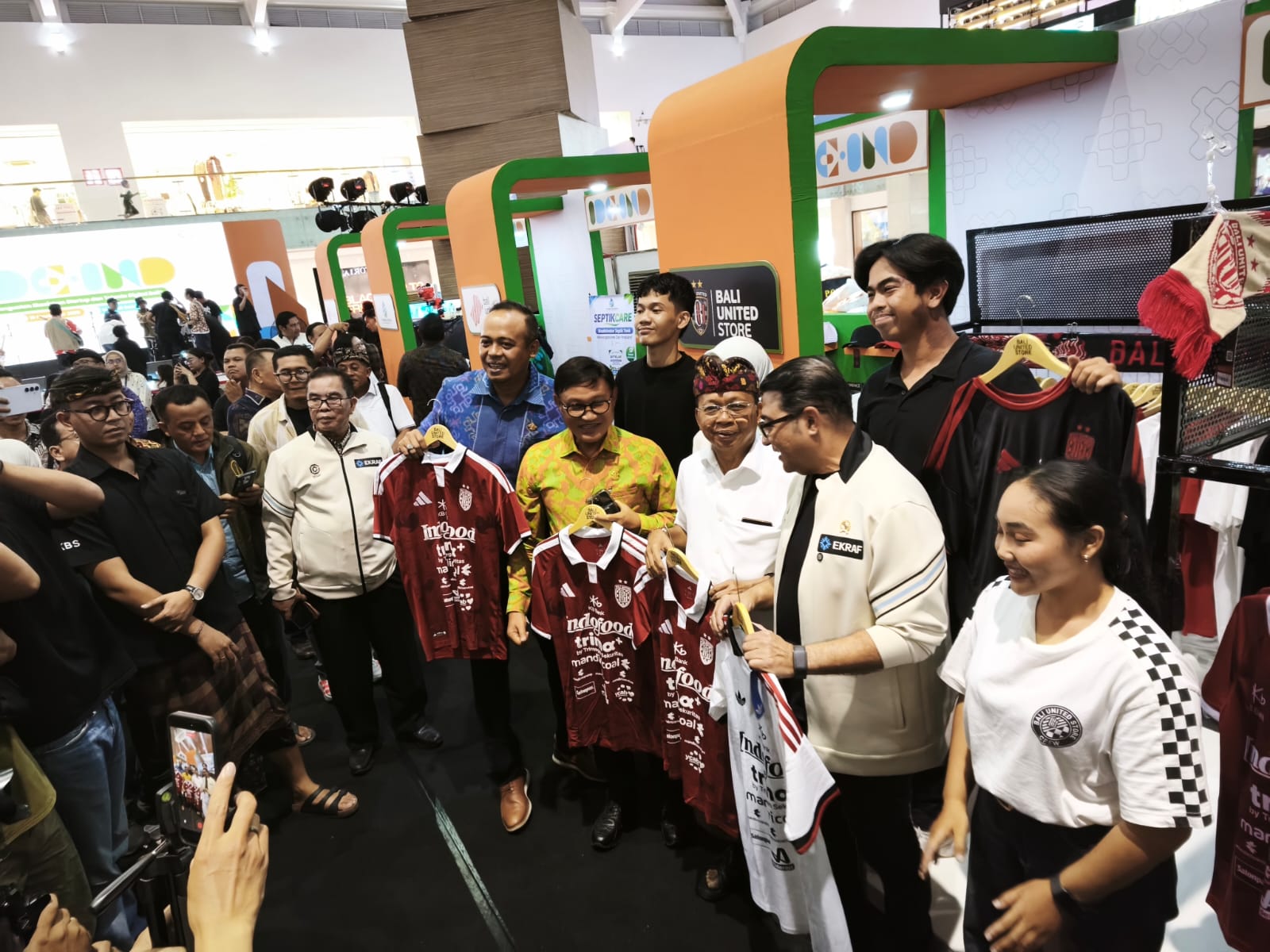
BALI - Indonesia's Ministry of Creative Economy is strengthening Bali's creative economy ecosystem by promoting intellectual property (IP) protection and expanding market access for local products to reach global markets.
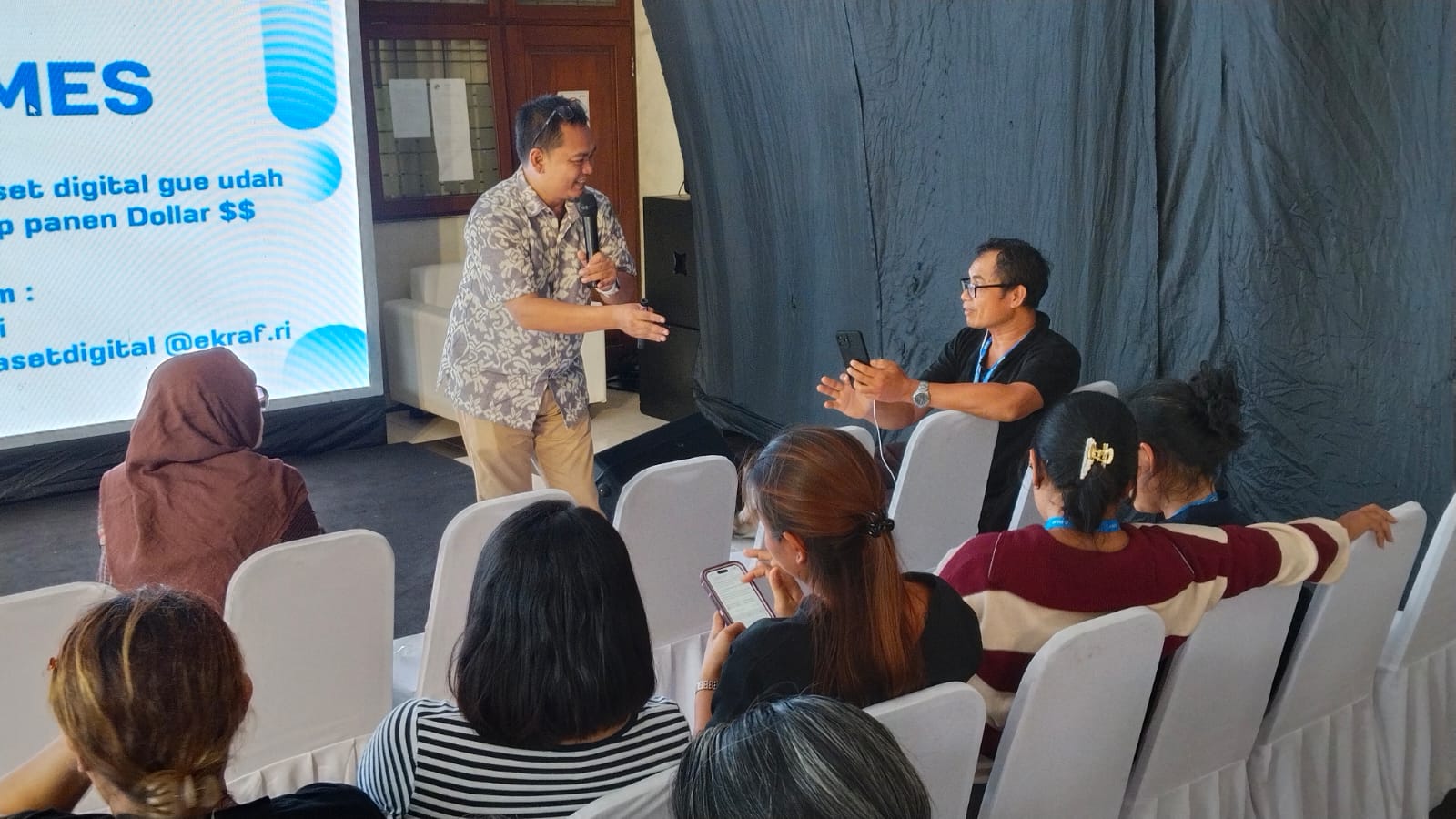
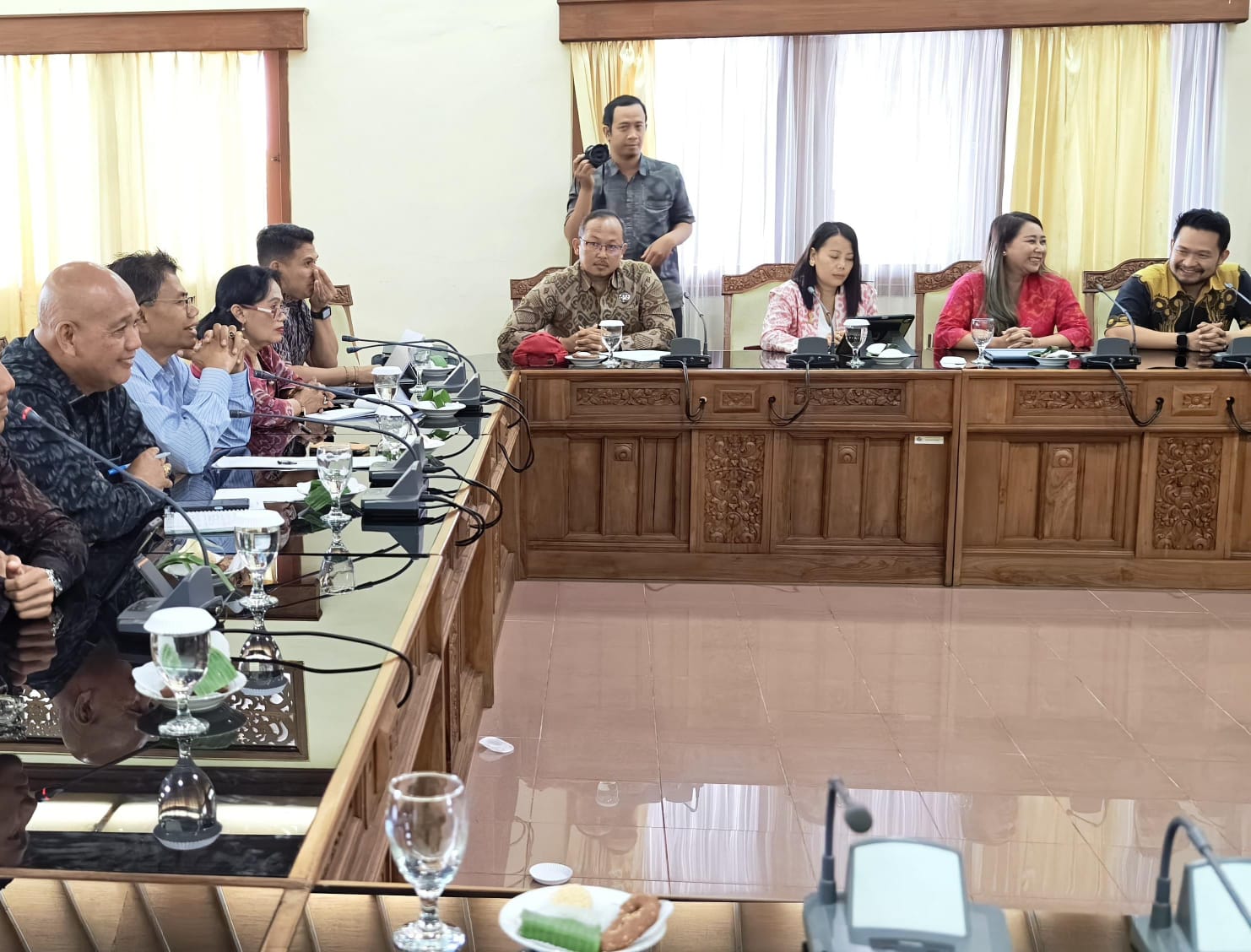
The initiative is being implemented through a series of creative economy programmes held across Bali over four days, involving business owners, communities, academics, startups, and creative talents from various sectors.
Minister of Creative Economy and Head of the Creative Economy Agency, Teuku Riefky Harsya, said Bali is one of 15 provinces prioritised for national creative economy development under Indonesia's National Medium-Term Development Plan (RPJMN).
According to him, Bali has strong potential to develop its creative industries, supported by its rich cultural heritage and strengths in handicrafts, culinary products, and fashion, as well as digital industries, technology, gaming, film, animation, and creative startups.
He explained that the Ministry has introduced several flagship programmes, including Creative Village activation, Creative Hub development, and Kreatif by Indonesia. These programmes aim to improve the capacity of creative economy players while opening up wider marketing opportunities for local products at both national and international levels.
One of the Ministry's main priorities is protecting the intellectual property (IP) of creative works and products developed by local communities.
Teuku Riefky said creative economy players need to ensure their works receive legal protection through intellectual property registration. Such protection is important not only to establish ownership and legal certainty but also to increase the economic value of creative works.
IP registration is also expected to provide creative entrepreneurs with greater opportunities to access funding and expand their businesses.
Local Products Curated for Global Markets
Efforts to strengthen Bali's creative economy are also being carried out through the Kreatif by Indonesia programme, one of whose implementations is Ide In Bali 2026 at Mall Bali Galeria, Badung.
The programme serves as a platform to promote regional creative works, products, and brands through exhibitions, discussions, educational games, and artistic performances.
Dian Permanasari, Expert Staff to the Minister for Research, Education, and Institutional Relations at the Ministry of Creative Economy, explained that Ide In Bali involved eight technical directorates covering digital content, gaming, ICT services, applications, technological creativity, handicrafts, fashion, as well as television and radio.
A total of 12 exhibition booths showcased various creative products, ranging from games, applications, and digital content to technological innovations, ICT services, culinary products, fashion, and handicrafts.
In addition to the exhibitions, the event featured five talk show sessions discussing developments in technological creativity, digital content, applications, gaming, and ICT services.
Through Kreatif by Indonesia, the government aims to curate and support regional creative businesses and brands so they can grow progressively. Promising local products will receive assistance to enter national markets before being prepared to compete internationally.
This approach is expected to help regional creative products gain recognition beyond local markets and become part of the global creative industry.
Bali Develops Its Creative Economy Ecosystem from Upstream to Downstream
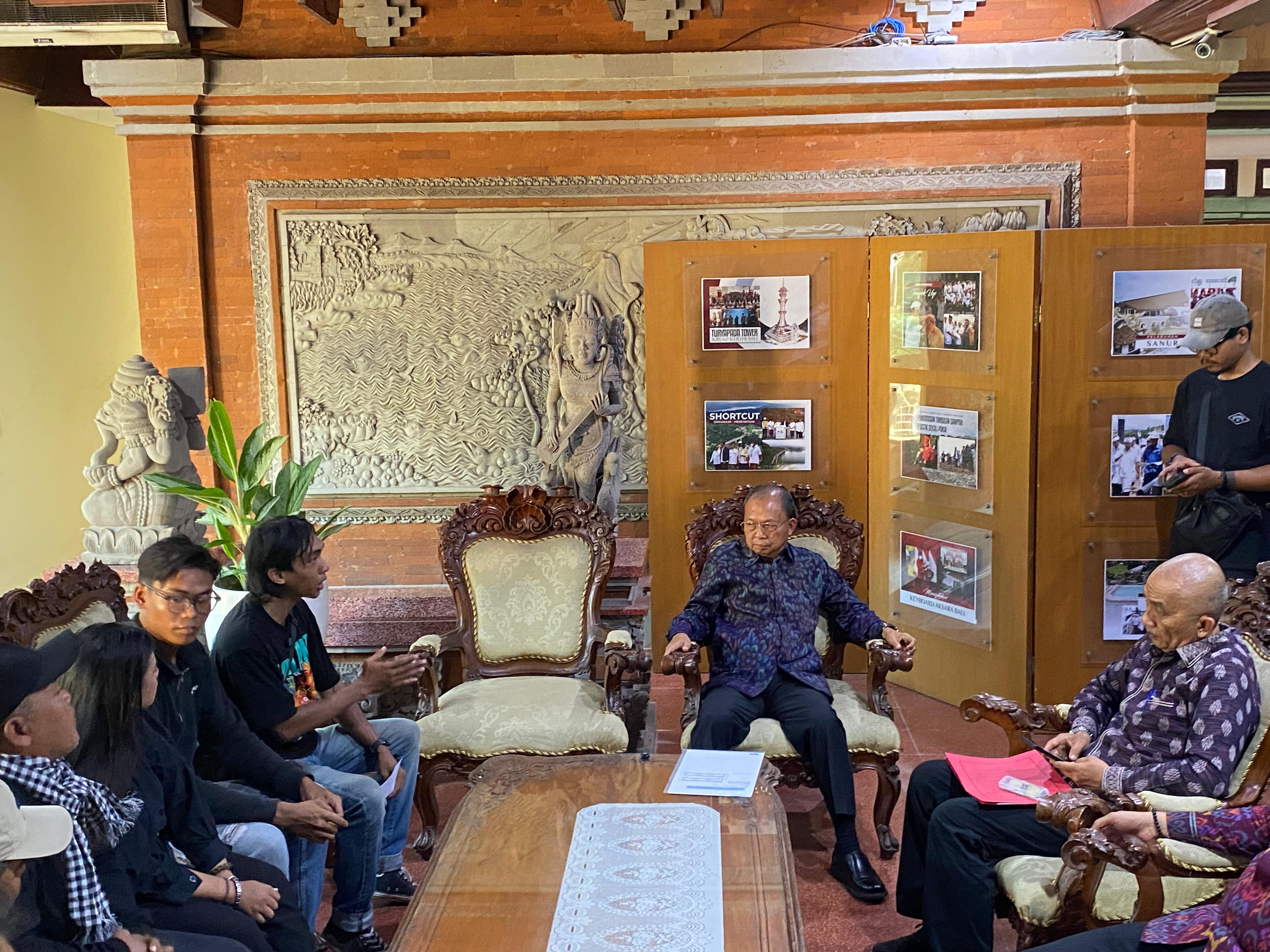
Meanwhile, Bali Governor Wayan Koster expressed his appreciation for the Ministry of Creative Economy's support in accelerating the development of the island's creative economy.
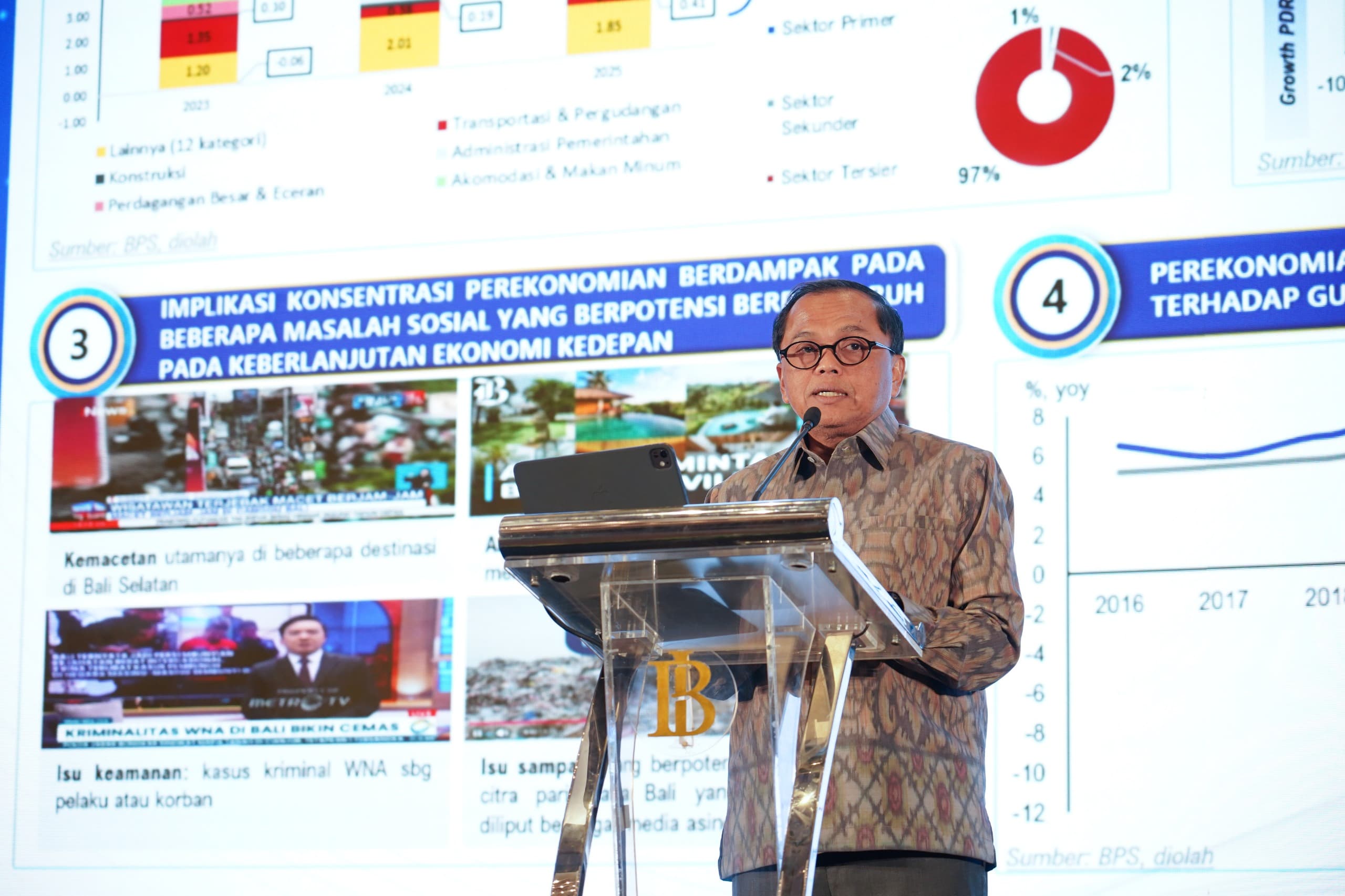
According to Koster, the development of the creative and digital economy is an important part of Bali's economic transformation, which has traditionally relied heavily on the tourism sector.
To strengthen this ecosystem, the Bali Provincial Government is preparing three institutional initiatives.
First, the drafting of a Regional Regulation (Ranperda) on Creative Economy and Digital Development.
Second, the establishment of a Creative Economy and Digital Agency as a semi-governmental institution, which will be regulated through a separate regional regulation.
Third, the establishment of the Bali Creative Board (BCB), an organisation designed to accommodate creative communities, talents, and industry players across Bali.
The provincial government has also prepared a creative centre facility in the Candi Narmada area. The facility will serve as a collaborative space for creative economy players, covering the entire process from idea development and production to product commercialisation.
Made Artana, Chairman of the Bali Creative Board and Rector of Primakara University, emphasised that developing the creative economy requires collaboration among various stakeholders to transform local potential into a stronger economic force.
During its series of activities in Bali, the Ministry also organised various training programmes, including culinary business development, voice-over training, storytelling, digital content production, and the development of audiovisual works based on local stories.
Through collaboration between the central government, regional government, academics, businesses, and creative communities, the creative economy is expected to grow into a new source of economic growth for Bali.
IP protection, improved product quality, and expanded market access are essential to ensuring that Bali's creative works not only preserve cultural value but also generate greater economic benefits and compete in global markets.