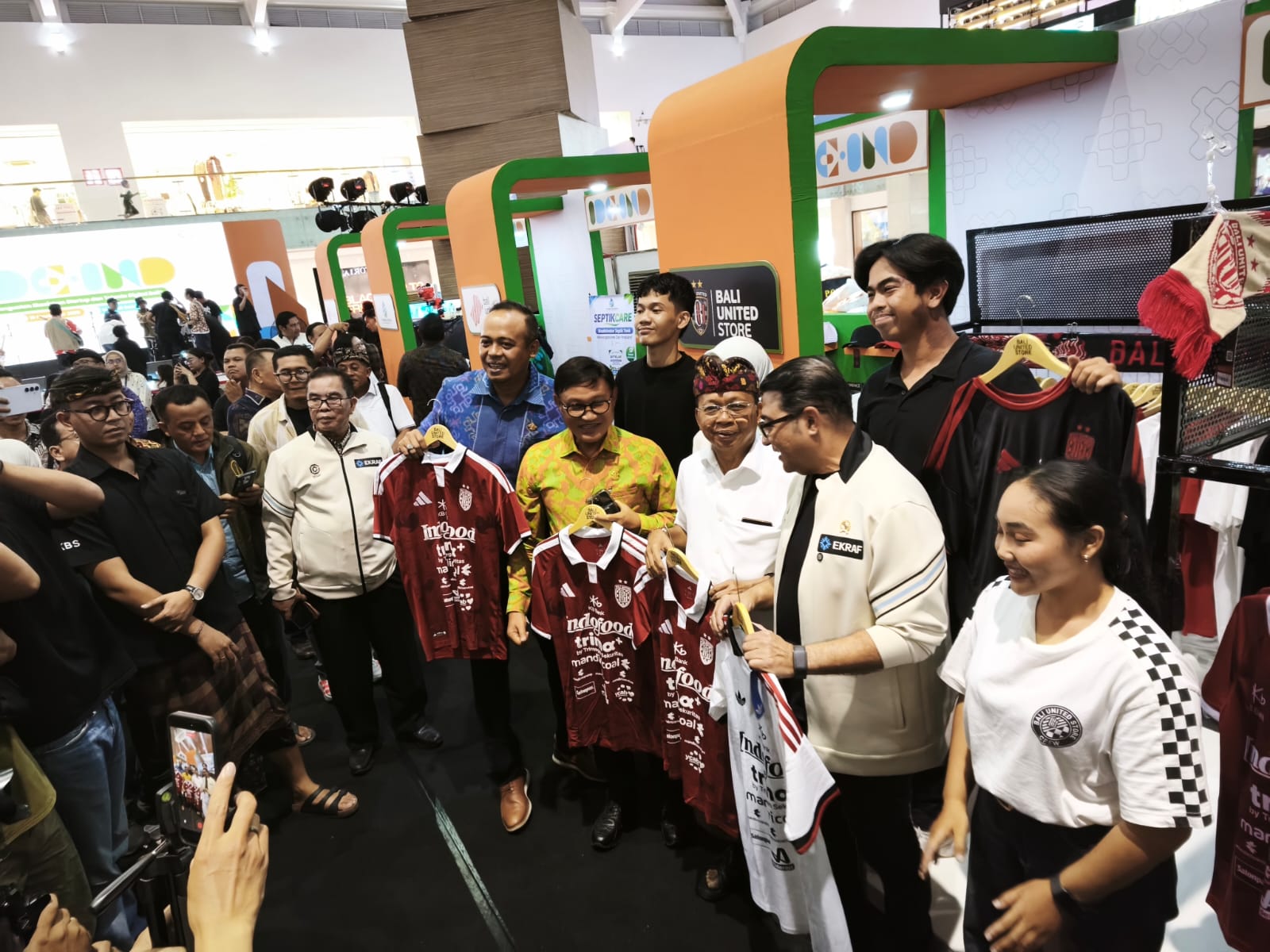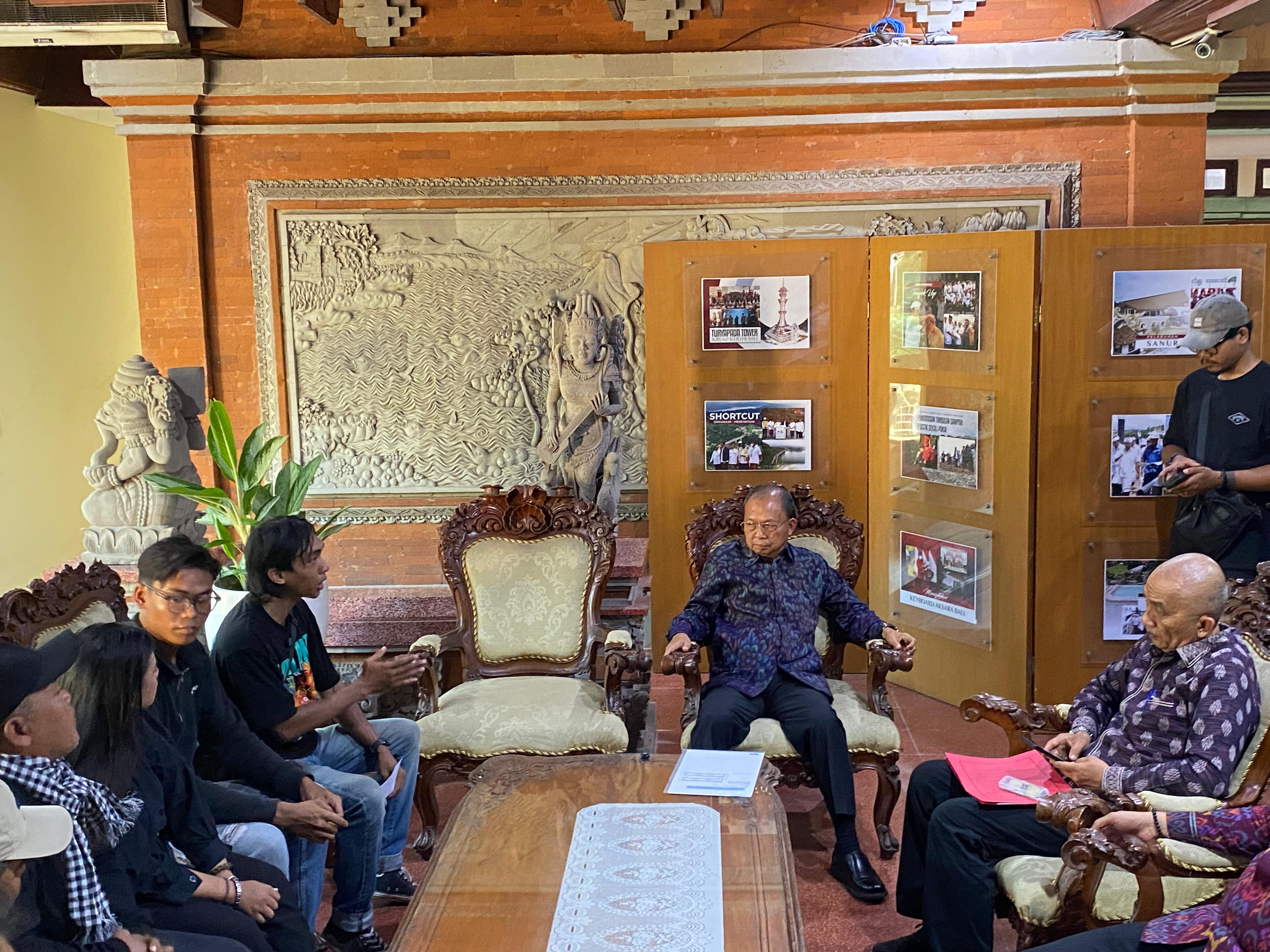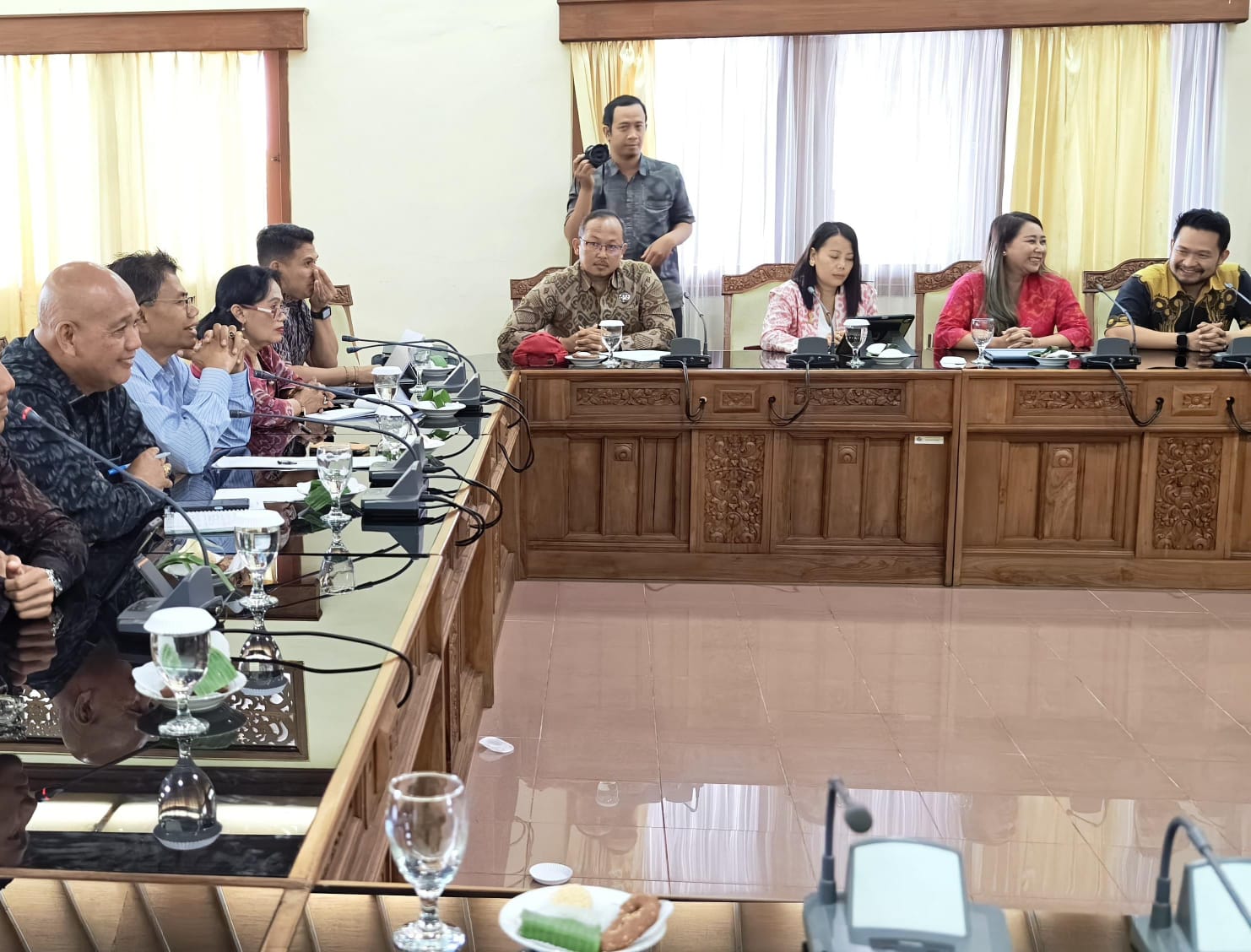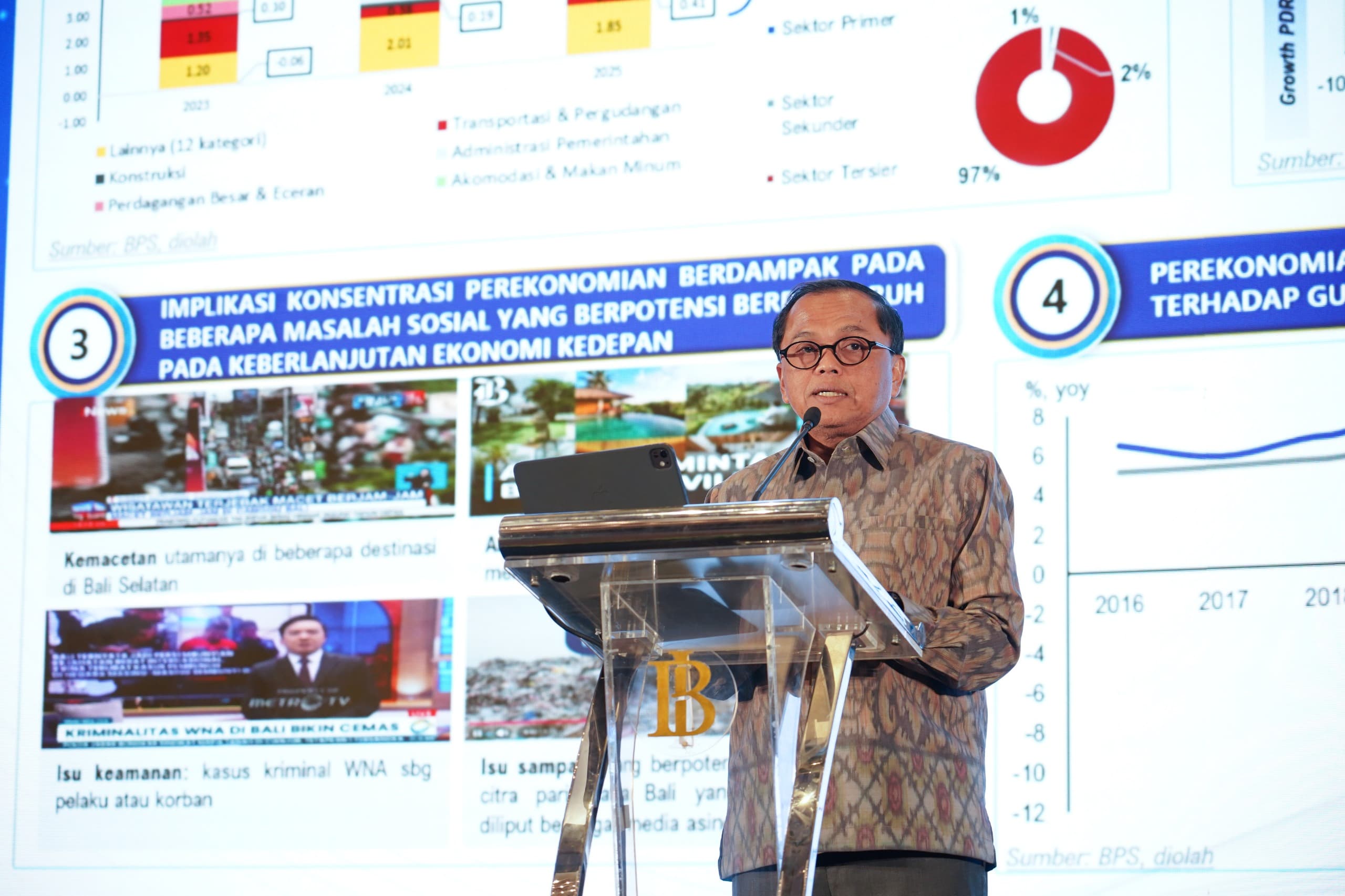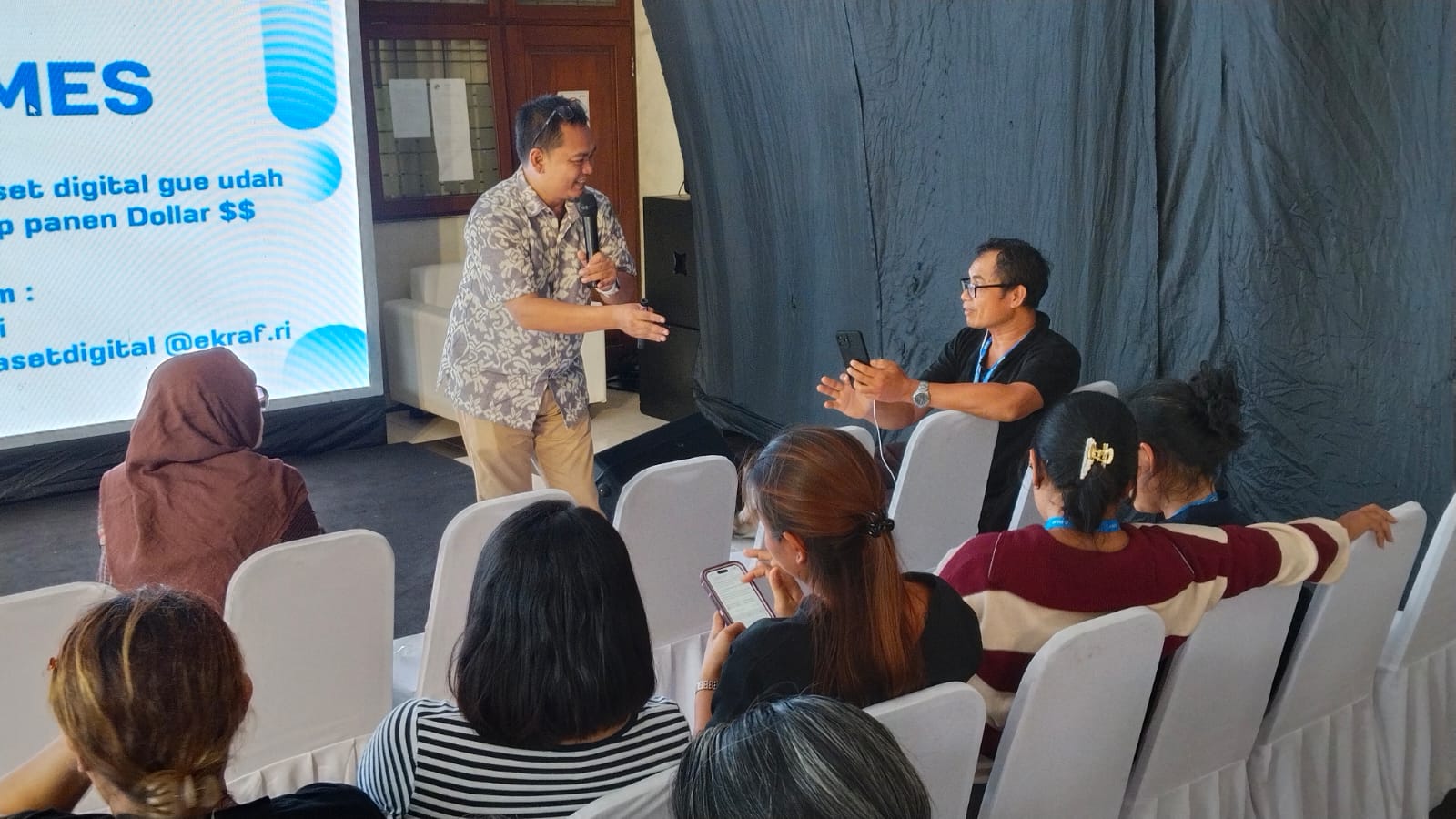
BALI – Young people and local community members gathered at Banjar Panti, Sanur, Bali, on Wednesday (November 18, 2026), to participate in an AI Digital Asset Production Workshop focused on monetization. The program aims to equip participants with digital skills and help them generate additional income through content creation and affiliate marketing.
Organized by the Directorate of Digital Content under the Deputy for Digital Creativity and Technology at Indonesia’s Ministry of Creative Economy (Ministry of Creative Economy/Creative Economy Agency), the workshop was attended by Director of Digital Content Yuana Rochma Astuti.
Yuana said Indonesia's digital economy has experienced rapid growth over the past decade, driven by the increasing use of communication technologies and online platforms in economic activities.
According to her, the workshop is part of the Creative Village Activation Program, designed to increase young people's participation in the digital economy and unlock their entrepreneurial potential.
AI and Digital Skills Open New Income Opportunities
Beyond technical and creative training, the workshop provides participants with knowledge of digital monetization, personal branding, and online marketing strategies.
The initiative is expected to develop skilled Indonesian content creators and affiliate marketers who can compete in international markets.
The Ministry also aims to strengthen Indonesia's position as one of Southeast Asia's leading digital economy hubs by expanding access to digital skills and business opportunities.
The program is being conducted in collaboration with the Indonesian Association of Photo and Video Creators (AKFID), which serves as the digital training partner and supports the delivery of practical learning activities.
Creative Village Program Supports Local Economic Growth
The workshop also forms part of the government's broader Creative Village Activation initiative, which seeks to strengthen the capacity of creative economy businesses at the village level.
Through digital platforms, local communities are encouraged to develop competitive products and services based on their regional strengths and creative potential.
The initiative is expected to generate added economic value, strengthen local economic resilience, and support inclusive and sustainable rural economic transformation.
By connecting local creative potential with digital markets, the government hopes that villages can become more active contributors to Indonesia's growing creative economy.
Indonesia Targets 8.37 Percent Creative Economy Contribution to GDP
Indonesia has long recognized the creative economy as a strategic driver of future economic growth, often described as a new engine of growth.
The Ministry of Creative Economy is expected to accelerate the development of emerging creative industries and implement policies that unlock new economic opportunities.
Indonesia's creative economy encompasses 17 subsectors, including culinary, crafts, fashion, gaming, applications, television, radio, advertising, architecture, visual arts, performing arts, interior design, product design, photography, publishing, and animation.
The Technocratic Draft of the 2025–2045 National Medium-Term Development Plan (RPJMN) sets an ambitious target for the creative economy to contribute 8.37 percent to Indonesia's Gross Domestic Product (GDP).
This target could be supported by the country's substantial digital economy potential and its young population.
Young Indonesians aged 15–35 represent a significant segment of the population and are among the most active users of digital technology.
Yuana also referred to projections from Indonesia's Ministry of Trade, which estimate that the country's digital economy could grow by 800 percent by 2030.
"This growth creates significant opportunities for young people to become key players in digital transformation and economic innovation. However, challenges remain. Many young people still lack adequate access to digital skills training, market information, and relevant business opportunities," she explained.
Through initiatives such as the AI Digital Asset Production Workshop in Sanur, the government hopes to bridge this digital skills gap and encourage more young Indonesians to turn creativity and technology into sustainable sources of income.